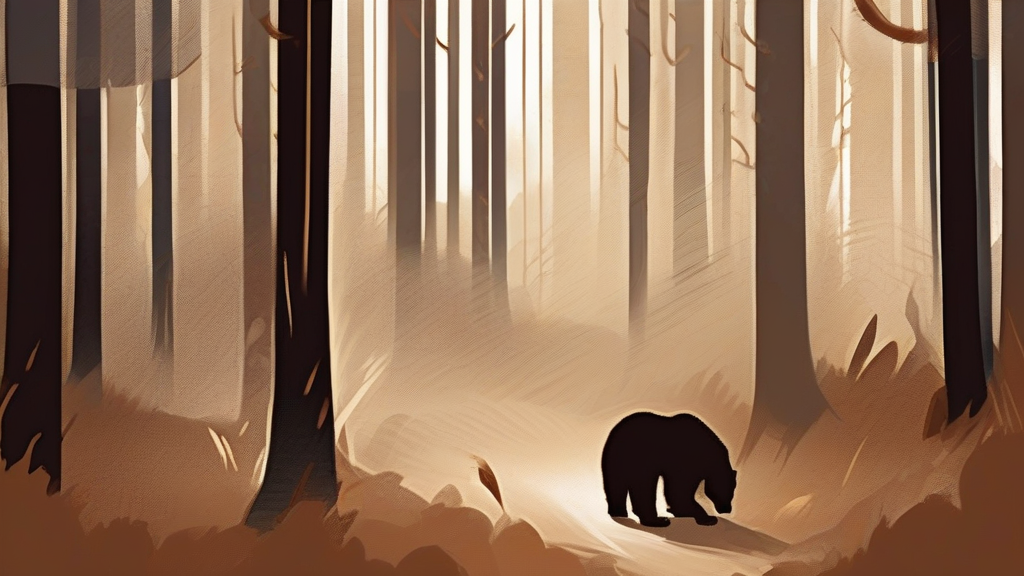
What does bruin mean?
The word 'bruin' refers to a large brown bear, often with connotations of power and ferocity. Originating from the Dutch word for 'brown bear', it has been used in English since the 17th century, particularly in literary and poetic contexts. While not commonly used in everyday conversation, 'bruin' can add a touch of elegance and sophistication to descriptions of bears. Its usage is often associated with a sense of respect and awe for these powerful animals. In modern English, 'bruin' is primarily used to evoke a sense of grandeur and majesty, and is often encountered in nature writing, folklore, and mythology.
nounA brown bear, especially a large or ferocious one. The term is often used in a somewhat archaic or literary way.
- A large brown bear, especially one that is considered ferocious or powerful.
- A term used to refer to bears in general, often in a literary or poetic context.
"The hikers encountered a massive bruin in the forest, its fur a rich brown color."
"The park rangers warned visitors about the presence of a large bruin in the area."
"In medieval times, the bruin was a symbol of strength and power in folklore."
The plural form 'bruins' is used to refer to multiple bears, often in a collective or general sense.
"The forest is home to several bruins, which are a popular tourist attraction."
Reviewed by Deb Chak, Editor. AI-assisted content curated by RJS Tech Solutions LLP.
Etymology of bruin
The word 'bruin' originates from the Dutch word for 'brown bear', which is 'bruin'. This term has been used in English since the 17th century, and was likely borrowed from the Dutch due to the cultural exchange and trade between England and the Netherlands during that time. The Dutch word 'bruin' is derived from the Old Dutch word 'brun', which is also the source of the Modern English word 'brown'.
Usage notes
The term 'bruin' is often used in a literary or poetic way to refer to bears, and can imply a sense of grandeur or ferocity. It is not commonly used in everyday conversation.