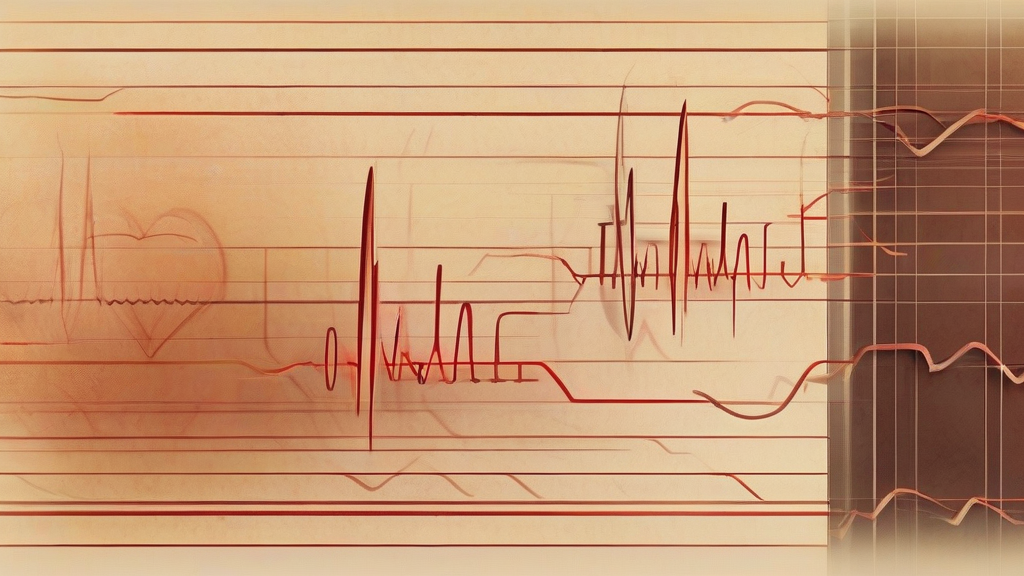
What does cardiography mean?
Cardiography refers to the process of recording the electrical activity of the heart, typically using an electrocardiogram (ECG or EKG). This non-invasive technique is crucial for diagnosing and monitoring heart conditions, allowing doctors to assess heart function and detect abnormalities. Cardiography is widely used in medical settings, providing valuable information about heart rhythm, rate, and overall cardiovascular health. The term encompasses both the technique of producing a cardiogram and the resulting record itself. With its applications in various medical fields, cardiography plays a vital role in preventive care, diagnosis, and treatment of cardiovascular diseases.
nounThe process of recording the electrical activity of the heart, typically using an electrocardiogram (ECG or EKG).
- The technique of producing a cardiogram.
- The resulting cardiogram itself.
"The doctor ordered a cardiography to monitor the patient's heart function."
"The cardiography revealed a normal heart rhythm."
"The doctor studied the cardiography to diagnose the heart condition."
Reviewed by Deb Chak, Editor. AI-assisted content curated by RJS Tech Solutions LLP.
Etymology of cardiography
The term 'cardiography' originates from the Greek words 'kardia', meaning heart, and 'graphia', meaning writing or drawing. The word has its roots in the late 19th century, when electrocardiography was first developed. Cardiography is closely related to other medical terms, such as cardiogram and cardiograph.
Usage notes
Formal or technical register; often used in medical contexts.