
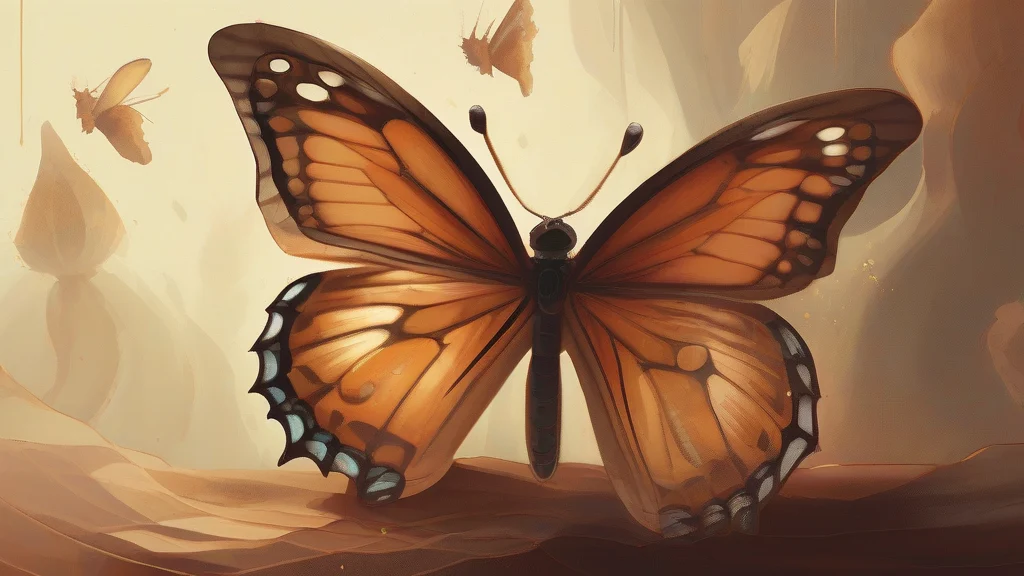
What does chrysalides mean?
Chrysalides refers to a chrysalis, especially one that has undergone metamorphosis and is about to emerge as a butterfly or moth. This term is often used in scientific or literary contexts to describe the transitional stage between a caterpillar and a butterfly or moth. Chrysalides is a formal or poetic term, and its use is generally restricted to formal or academic writing. In word games, chrysalides is often used as a synonym for chrysalis, but in everyday language, the term is less common. The study of chrysalides and their metamorphosis is an important area of research in biology and ecology. Chrysalides are a fascinating and complex stage of insect development, and their study has led to a greater understanding of the natural world.
nounA chrysalis, especially one that has undergone metamorphosis and is about to emerge as a butterfly or moth.
- A chrysalis, especially one that has undergone metamorphosis and is about to emerge as a butterfly or moth.
"The chrysalides on the branch were about to emerge as beautiful butterflies."
"The chrysalides on the branch were about to emerge as beautiful butterflies."
"The caterpillars spun a chrysalis and waited for metamorphosis."
The plural form chrysalidess is used to describe multiple chrysalides that have undergone metamorphosis and are about to emerge as butterflies or moths.
"The chrysalidess on the branch were about to emerge as beautiful butterflies."
Reviewed by Deb Chak, Editor. AI-assisted content curated by RJS Tech Solutions LLP.
Etymology of chrysalides
The term chrysalides is derived from the Greek word 'chrysalis', meaning 'golden', which refers to the golden color of the chrysalis. The word has been used in English since the 17th century to describe the transitional stage between a caterpillar and a butterfly or moth. Chrysalides is a cognate of the word 'chrysalis', and both words are used to describe the same stage of insect development.
How chrysalides is actually used
Chrysalides is a formal or poetic term for a chrysalis, especially one that has undergone metamorphosis. It is often used in scientific or literary contexts.