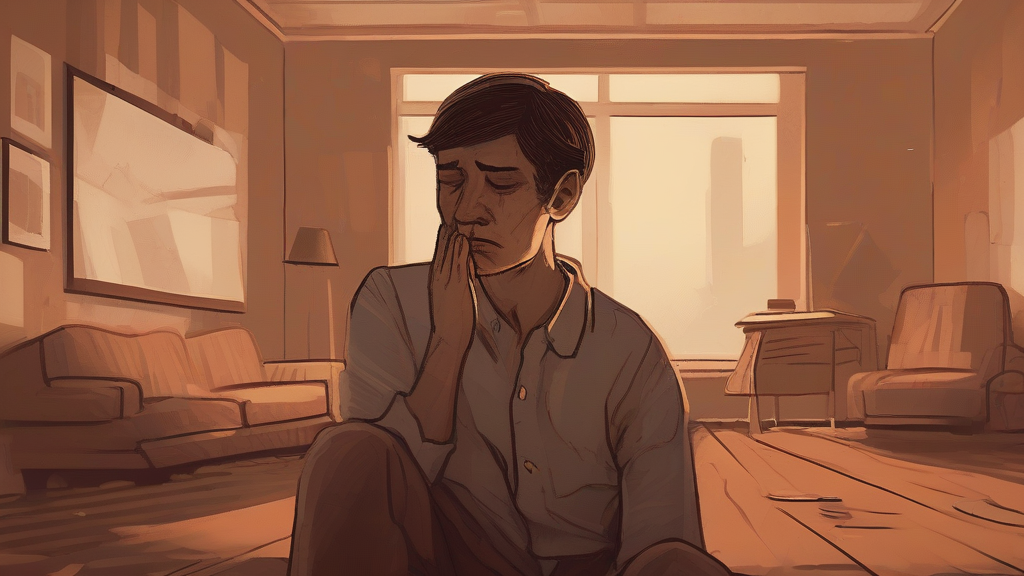
What does disconsolate mean?
Disconsolate is an adjective used to describe a person, situation, or atmosphere that is characterized by extreme sadness, depression, or hopelessness. When applied to a person, it suggests a state of being beyond comfort or consolation, often due to a significant loss or disappointment. The term can also refer to a situation or environment that is depressing or disheartening. Disconsolate is often used in contexts where a deep sense of emotional pain or despair is conveyed, and it is commonly found in formal, literary, and informal writing and speech. Understanding the nuances of disconsolate can help in expressing and conveying complex emotional states effectively.
adjectiveDisconsolate refers to a person who is extremely sad or depressed, often in a way that seems impossible to comfort or console. The term can also describe a situation or atmosphere that is depressing or disheartening.
- feeling or showing great sadness or disappointment
- having or characterized by a depressing or disheartening quality
"After losing the championship game, the disconsolate team captain struggled to speak to the press."
"The disconsolate widow spent months grieving alone."
"The team's disconsolate performance in the second half was a letdown to fans."
Reviewed by Deb Chak, Editor. AI-assisted content curated by RJS Tech Solutions LLP.
Etymology of disconsolate
The word disconsolate originates from the Latin term 'disconsolatus,' which means 'bereft of consolation.' This Latin term is derived from 'dis-' (meaning 'opposite of' or 'apart') and 'consolatus' (past participle of 'consolari,' meaning 'to comfort'). The term has evolved through Middle English as 'disconsolat,' eventually becoming 'disconsolate' in Modern English. Cognates include 'console' and 'consolation,' which share the root 'consolari.'
Usage notes
Disconsolate often carries a connotation of deep emotional pain that is difficult to alleviate. It is commonly used in formal and literary contexts, but can also appear in informal writing and speech.