What does dispeopled mean?
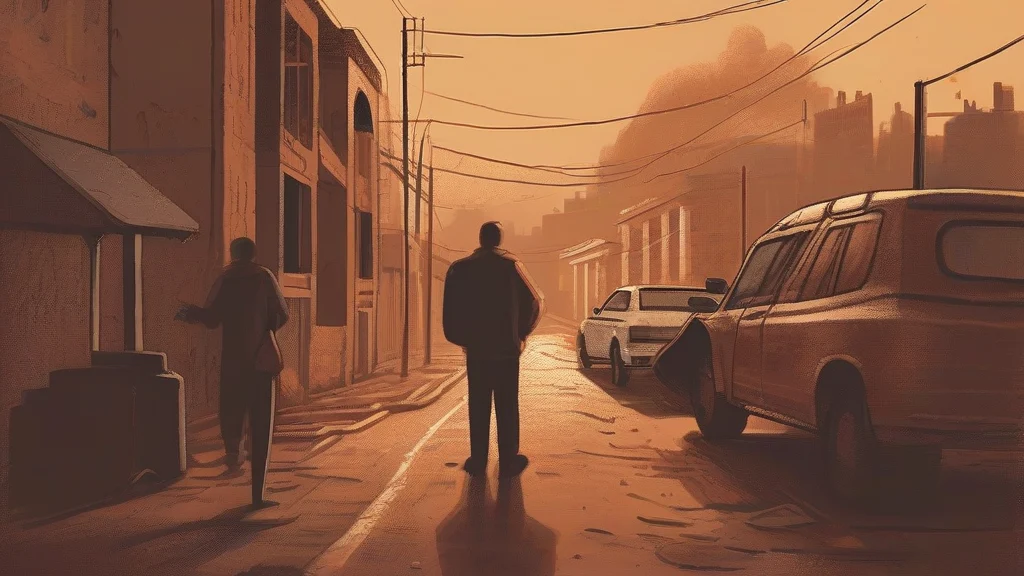
Dispeopled is the past tense and past participle of the verb "dispeople," meaning deprived or emptied of inhabitants. It describes places — villages, towns, regions — from which people have been removed or have vanished, whether through plague, war, famine, forced removal, or mass emigration. The word carries a literary, somewhat archaic register: where modern usage would typically say "depopulated," writers reach for "dispeopled" when they want an older, more evocative tone. One might read, for example, that the Black Death had dispeopled entire districts, leaving fields untended and houses standing empty. The word is built on "people" used as a verb meaning to populate, with the prefix "dis-" reversing that action. Though uncommon in daily conversation, it remains a precise and atmospheric choice for historical or descriptive prose about human absence from the land.
verb (past tense and past participle)Past tense and past participle of "dispeople": deprived or emptied of inhabitants or people.
- Deprived or emptied of inhabitants; depopulated, especially by disaster, war, plague, or migration.
"The plague had dispeopled entire villages across the countryside."
"The Black Death had so thoroughly dispeopled the region that fields lay untended for a generation."
"War and famine left the once-bustling port town dispeopled within a decade."
Whole towns didn't just empty out — they were 'dispeopled,' a word that makes the absence of humanity sound almost deliberate.
Reviewed by Deb Chak, Editor. AI-assisted content curated by RJS Tech Solutions LLP.
Etymology of dispeopled
Dispeopled derives from the verb "dispeople," formed in English from the prefix "dis-" (expressing reversal or removal) combined with "people" used as a verb meaning "to populate or furnish with inhabitants." The word "people" itself traces back through Old French "pueple" to Latin "populus," meaning a nation or community, which also gives English words such as "popular," "population," and "republic." The verb "dispeople" has been in use since at least the early modern period, appearing in literary and historical accounts of plague and devastation.
Related word forms
How dispeopled is actually used
A literary and somewhat archaic word, most often found in historical writing or elevated prose describing plague, war, or migration. Rare in everyday speech, where "depopulated" is the standard choice.
Easily confused with dispeopled
"Dispelled" means driven away or eliminated (as doubts or fears), while "dispeopled" means stripped of human inhabitants.