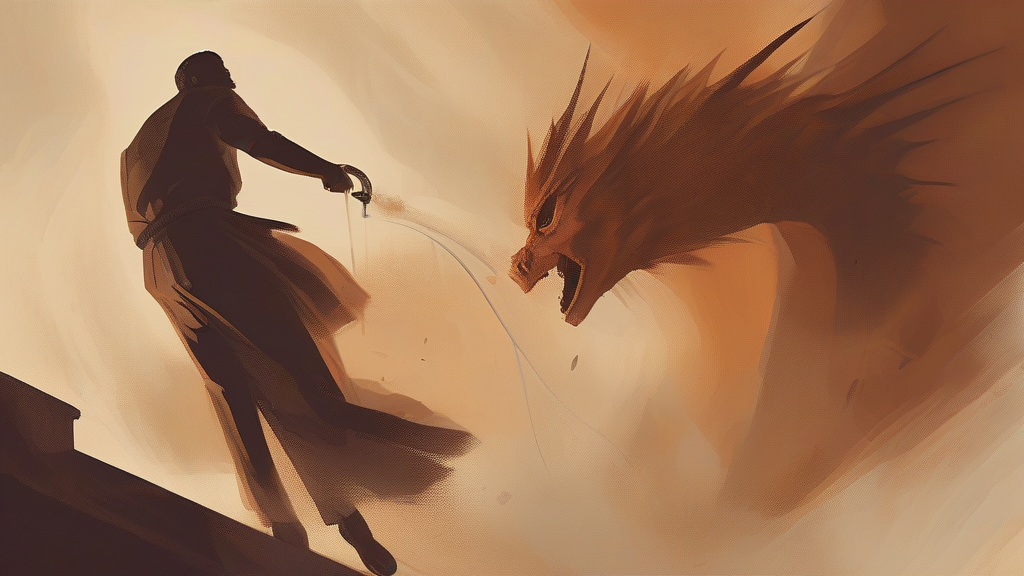
What does dragooning mean?
Dragooning refers to the act of coercing or persuading someone to do something, often through persistent pressure or intimidation. This term is derived from the historical practice of recruiting or enlisting soldiers, particularly cavalrymen. In modern usage, dragooning often carries a negative connotation, implying that someone is being forced or coerced into doing something against their will. The word is commonly used in contexts where someone is being pressured or intimidated into taking a particular action or making a certain decision. Understanding the nuances of dragooning can help individuals navigate complex social situations and communicate more effectively.
To coerce or persuade someone to do something, often by persistent pressure or intimidation.
"The manager was accused of dragooning employees into working overtime without pay."
This sense of dragooning often carries a negative connotation.
The act of coercing or persuading someone
"The dragooning of employees into working overtime was a common practice in the company."
Reviewed by Deb Chak, Editor. AI-assisted content curated by RJS Tech Solutions LLP.
Etymology of dragooning
The term dragooning originates from the 17th-century practice of recruiting or enlisting soldiers, especially cavalrymen known as dragoons. The word is derived from the French 'dragon', which referred to a type of cavalry soldier. Over time, the term evolved to encompass the idea of coercing or persuading someone through persistent pressure or intimidation.
Usage notes
This word often carries a negative connotation, implying that someone is being forced or coerced into doing something against their will.