What does exodermal mean?
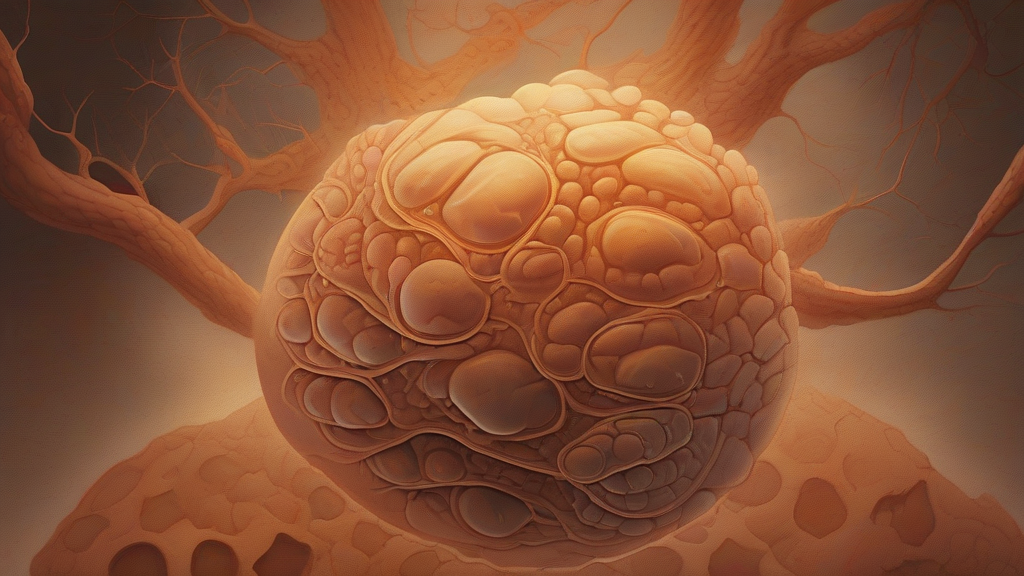
Exodermal refers to the outermost layer of cells in an embryo, derived from the ectoderm. This layer plays a crucial role in the development of the organism, particularly in the formation of the skin. In embryology, the exodermal layer is essential for the proper development of the embryo. The term is often used in contrast to the endoderm, the innermost layer. Exodermal cells are responsible for the formation of the outer layer of the embryo, which eventually develops into the skin. This process is critical for the proper development of the organism. Exodermal cells are also involved in the formation of other tissues and organs. The study of exodermal development is essential for understanding embryonic development and the formation of tissues and organs. Exodermal cells are highly specialized and play a critical role in the development of the embryo.
adjectiveRelating to or derived from the exoderm, the outermost layer of cells in an embryo.
- Relating to or derived from the exoderm, the outermost layer of cells in an embryo.
"The exodermal cells played a crucial role in the development of the organism."
"The exodermal cells played a crucial role in the development of the organism."
"In embryology, the exodermal layer is essential for the formation of the skin."
The plural form is used to describe multiple exodermal layers or cells.
"The exodermals played a crucial role in the development of the organism."
Reviewed by Deb Chak, Editor. AI-assisted content curated by RJS Tech Solutions LLP.
Etymology of exodermal
The term exodermal comes from the Greek words 'exos' meaning 'outer' and 'derma' meaning 'skin'. It was first used in the late 19th century to describe the outermost layer of cells in an embryo.
Usage notes
In biology, exodermal refers specifically to the outermost layer of cells in an embryo. It is often used in contrast to the endoderm, the innermost layer.