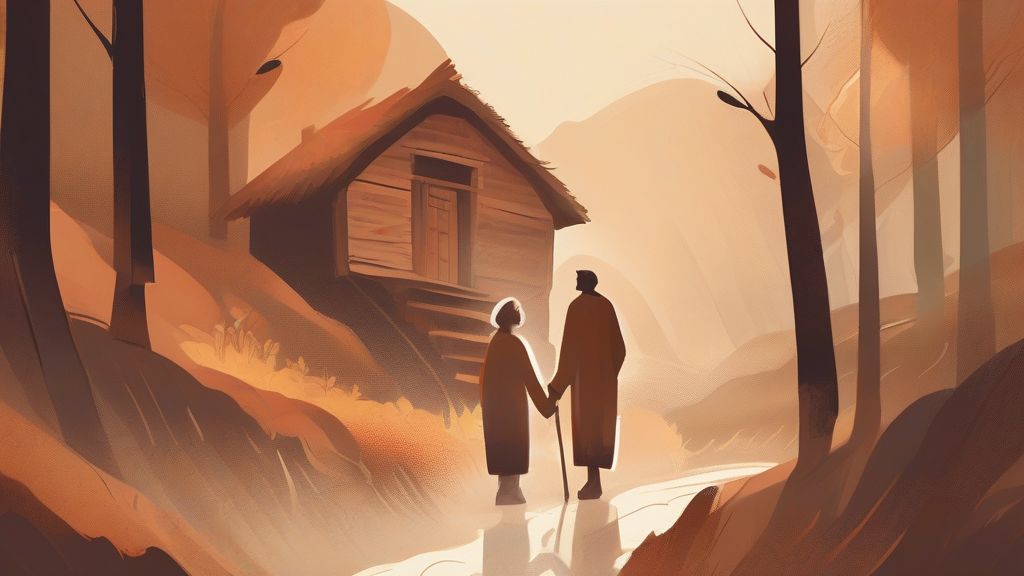
What does folklike mean?
Folklike refers to something that resembles or is characteristic of folklore, having the style or spirit of traditional folk culture. It can describe stories, music, art, or other creative expressions that evoke a sense of old-fashioned or rural simplicity. The term is often used to convey a sense of nostalgia or connection to the past. Folklike can also suggest a sense of authenticity or genuineness, as if something is unpretentious and true to its roots. Overall, folklike is a useful word for describing cultural expressions that are rooted in tradition and heritage.
adjectiveResembling or characteristic of folklore; having the style or spirit of traditional folk culture.
- Having a style or character reminiscent of traditional folk culture or storytelling.
- Suggesting or evoking a sense of old-fashioned or rural simplicity.
"The folklike tales of the region have been passed down through generations."
"The folklike music of the Appalachian region has influenced many artists."
"The film's folklike portrayal of rural life was praised by critics."
Reviewed by Deb Chak, Editor. AI-assisted content curated by RJS Tech Solutions LLP.
Etymology of folklike
The word folklike is derived from the combination of 'folk' and 'like'. 'Folk' comes from the Old English 'folc', meaning 'people' or 'nation', and has been used in English since the 14th century to refer to common people or traditional culture. The suffix '-like' is used to form adjectives that describe a resemblance or similarity. Therefore, folklike literally means 'like folklore' or 'resembling folk culture'.
Usage notes
Often used to describe stories, music, or art that evoke a sense of traditional culture or folklore. Can also imply a sense of simplicity or naivety.