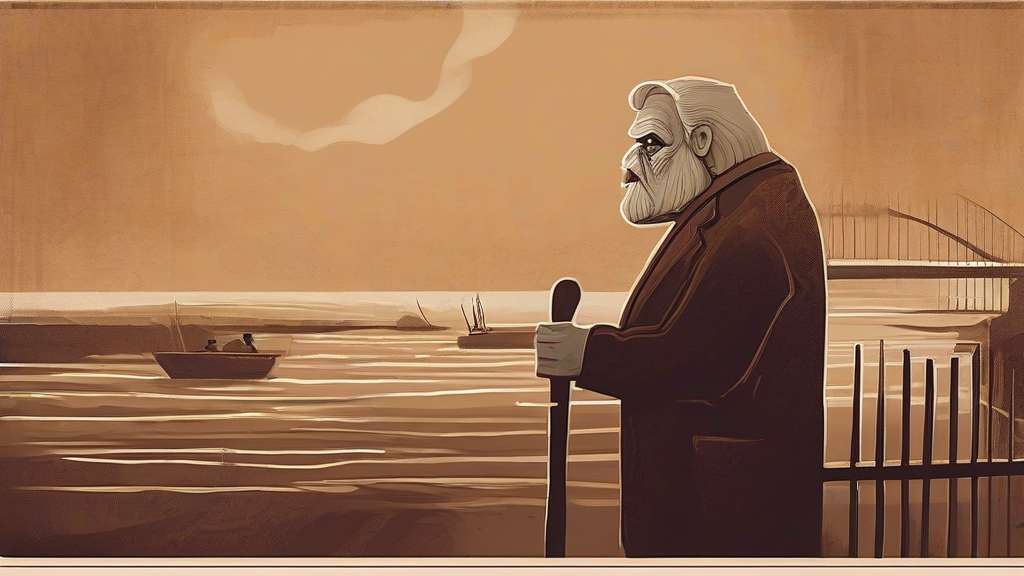
What does grumpier mean?
Grumpier is the comparative form of the adjective grumpy, which describes someone with a sullen or discontented disposition. When someone is grumpier, they are more irritable or ill-tempered than usual, often due to external factors like lack of sleep, stress, or discomfort. This word is commonly used in informal contexts to convey a sense of temporary irritability or crankiness. Grumpier can be used to describe a person's demeanor or behavior, and it is often employed in everyday conversations to express a nuanced shade of emotional state. The word is useful for adding subtlety to descriptions of human emotions and interactions.
adjectiveComparative form of grumpy, meaning more irritable or ill-tempered.
- Having a more sullen or discontented disposition.
- More prone to complaining or expressing dissatisfaction.
"After a poor night's sleep, he woke up grumpier than usual."
"The grumpier of the two siblings always complained about the weather."
"As the day wore on, she grew grumpier and more irritable."
Reviewed by Deb Chak, Editor. AI-assisted content curated by RJS Tech Solutions LLP.
Etymology of grumpier
The word grumpier originates from the adjective grumpy, which emerged in the mid-19th century. Grumpy is believed to have derived from the verb grumble, which has its roots in Middle English and Old French. The exact etymological path is unclear, but grumpy and its comparative form grumpier have become standard descriptors of irritability in modern English.
Usage notes
Informal usage, often used to describe someone's temporary or situational irritability.