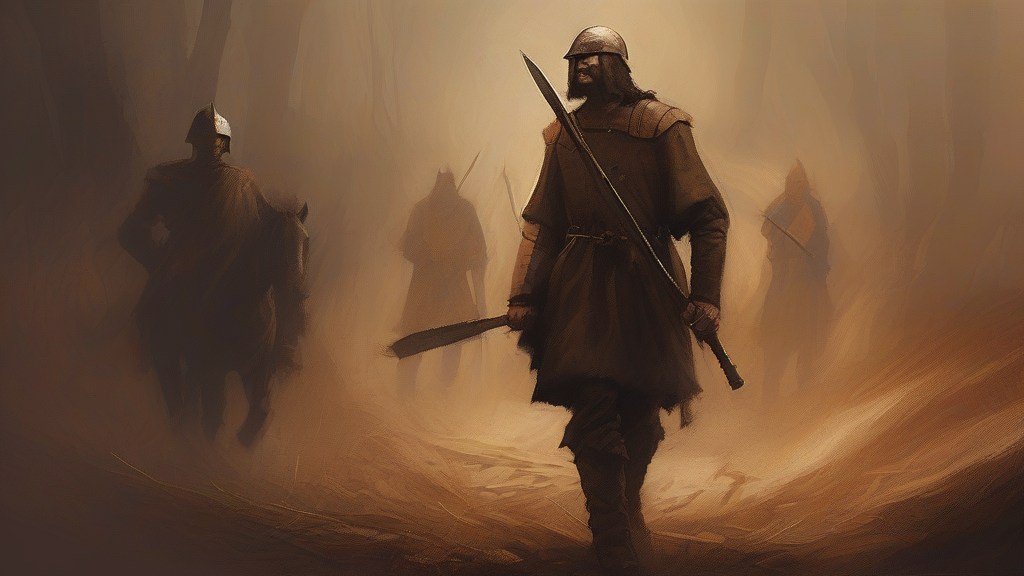
What does hatchetmen mean?
A hatchetman was a type of mercenary or private soldier who fought in the Thirty Years' War and other conflicts in Europe. They were often of English or Scottish origin and played a significant role in various battles. The term 'hatchetman' is derived from the word 'hatchet,' which refers to a type of axe or cutting tool. The hatchetmen were known for their bravery and fighting skills, and their legacy has been remembered in history books and literature. The term 'hatchetman' is no longer commonly used today, but it remains an interesting and important part of military history. The hatchetmen's role in the Thirty Years' War and other conflicts highlights the importance of mercenaries and private soldiers in shaping the course of history. Their story serves as a reminder of the complexities and nuances of war and the impact of individual soldiers on the outcome of battles.
nounA hatchetman was a type of mercenary or private soldier, often of English or Scottish origin, who fought in the Thirty Years' War (1618-1648) and other conflicts in Europe.
- 1. A type of mercenary or private soldier who fought in the Thirty Years' War and other conflicts in Europe.
"The English hatchetmen played a significant role in the Battle of Breitenfeld in 1631."
"The English hatchetmen were known for their bravery and fighting skills in the Battle of Breitenfeld."
Reviewed by Deb Chak, Editor. AI-assisted content curated by RJS Tech Solutions LLP.
Etymology of hatchetmen
The term 'hatchetman' is derived from the word 'hatchet,' which refers to a type of axe or cutting tool. The word 'hatchet' is thought to have originated from the Old English word 'hæccet,' which means 'axe' or 'cutting tool.' The term 'hatchetman' likely emerged during the Thirty Years' War, when English and Scottish mercenaries were known for their use of hatchets and other cutting tools in battle.
Usage notes
The term 'hatchetman' is primarily used in historical contexts to refer to the English and Scottish mercenaries who fought in the Thirty Years' War and other conflicts in Europe. It is not commonly used in modern language, but it remains an important part of military history and literature.