What does interneuronal mean?
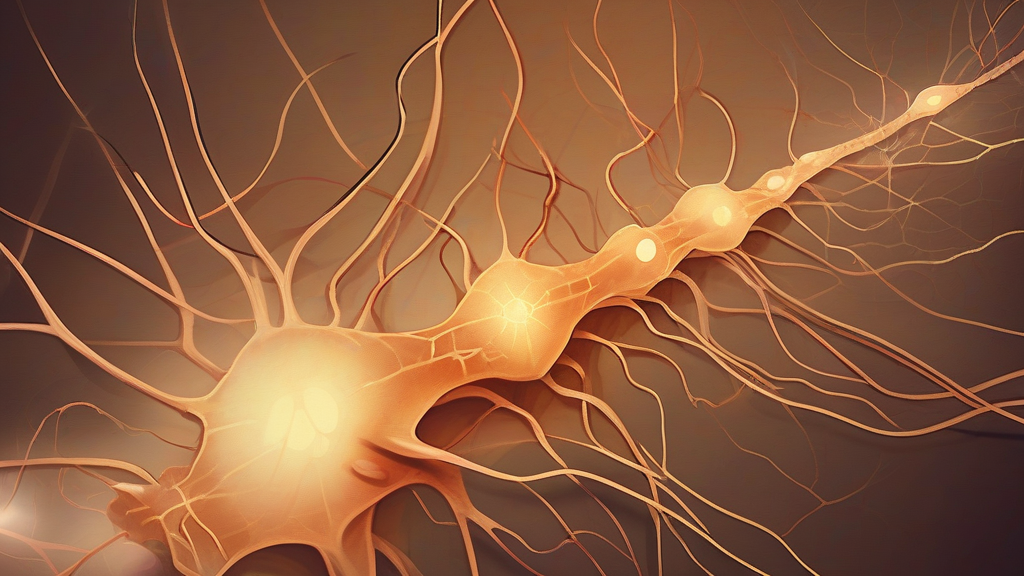
The term interneuronal refers to a specific type of connection or relationship within the nervous system. It describes the interactions between neurons, particularly those in the central nervous system. These connections are essential for various physiological processes, including learning, memory, and sensory perception. The term is often used in scientific and medical contexts to describe the intricate network of neurons and their functions. In contrast to other types of neural connections, interneuronal connections are characterized by their complexity and specificity. Understanding interneuronal connections is crucial for advancing our knowledge of the nervous system and developing effective treatments for neurological disorders.
adjectiveRelating to or situated within a neuron, especially a neuron in the central nervous system.
- 1. Relating to or situated within a neuron, especially a neuron in the central nervous system.
"The interneuronal connections between neurons in the brain play a crucial role in learning and memory."
"The interneuronal connections between neurons in the brain play a crucial role in learning and memory."
"The study of interneuronal connections has led to a greater understanding of the neural basis of behavior."
Reviewed by Deb Chak, Editor. AI-assisted content curated by RJS Tech Solutions LLP.
Etymology of interneuronal
The term interneuronal is derived from the Greek words 'inter' meaning 'between' and 'neuron' meaning 'nerve'. It was first used in the late 19th century to describe the connections between neurons in the central nervous system.
Usage notes
Interneuronal is a formal term used primarily in scientific and medical contexts. It is not commonly used in everyday language.