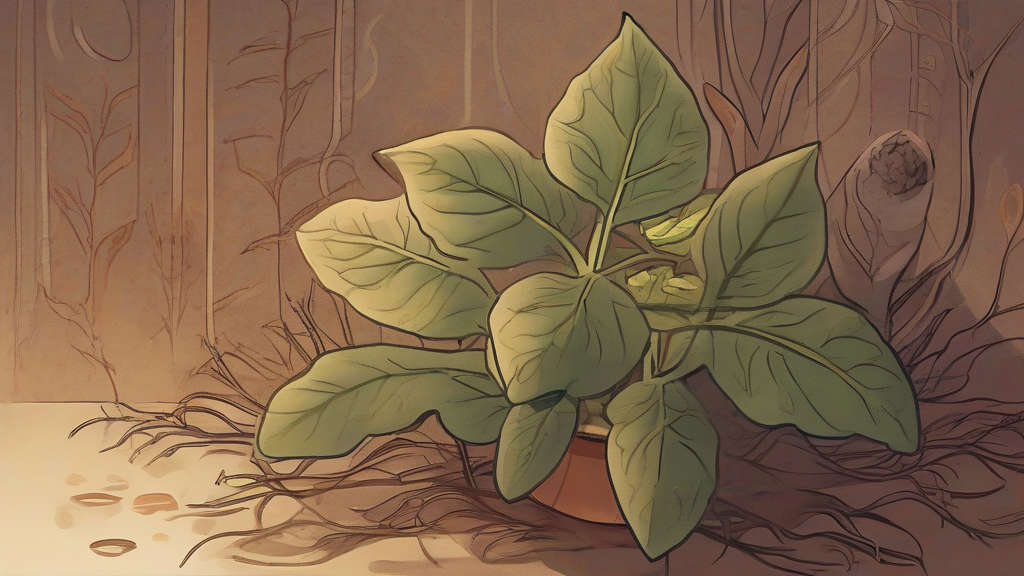
What does mandragora mean?
Mandragora is a genus of perennial herbs in the nightshade family, characterized by a long taproot. The plant has been associated with magical powers in folklore and mythology, particularly in European traditions. The mandragora is native to the Mediterranean region and has been used in herbal medicine for centuries. Its roots are said to resemble human figures, which may have contributed to its mythological significance. The plant's unique appearance and purported magical properties have made it a fascinating subject in botany and folklore.
nounMandragora is a genus of plants in the nightshade family, commonly known as mandrake. It is a perennial herb with a long taproot.
- A type of plant with a long taproot.
- A mythological plant believed to have magical powers.
"The mandragora plant was believed to have magical powers in ancient times."
"The mandragora plant is native to the Mediterranean region."
"In folklore, the mandragora was said to scream when pulled from the ground."
The plural form is rarely used, as the plant is typically referred to in the singular.
Reviewed by Deb Chak, Editor. AI-assisted content curated by RJS Tech Solutions LLP.
Etymology of mandragora
The term mandragora is derived from the Greek word 'mandragoras', which refers to a type of plant. The Greek term is likely derived from the Hebrew word 'dudaim', which refers to a type of mandrake root. The plant has been known since ancient times and has been used in various cultures for its medicinal and mythological properties.
How mandragora is actually used
The term mandragora is often used interchangeably with mandrake, although mandrake can also refer to the root of the plant.