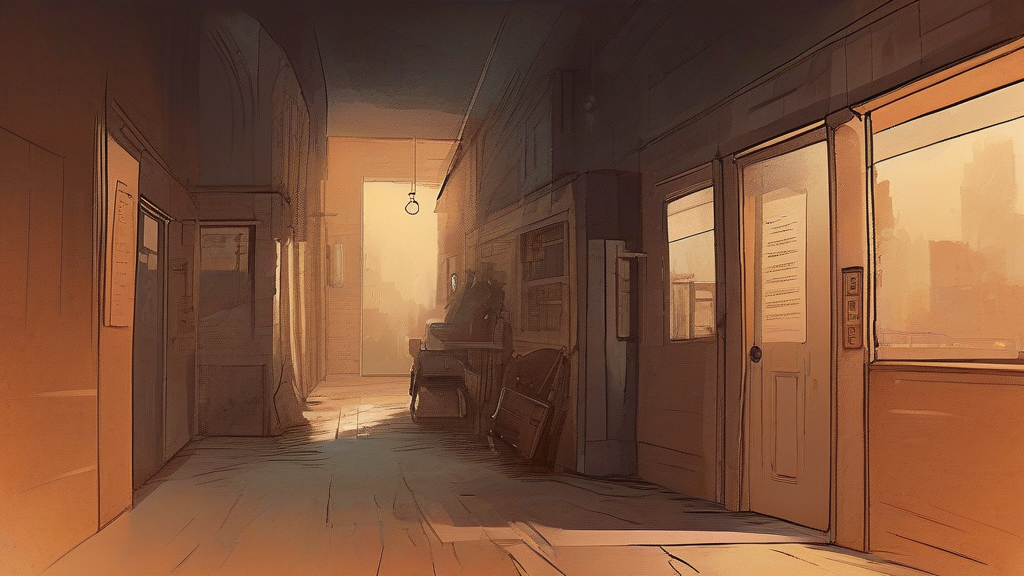
What does murkiest mean?
The word 'murkiest' is an adjective used to describe something that is extremely unclear or obscure. It is often used to convey a sense of difficulty in understanding or interpreting something. The word has been in use since the 17th century and is derived from the Old English word 'murk', meaning 'dark' or 'obscure'. In modern usage, 'murkiest' is often used in literary or poetic contexts to create a sense of mystery or ambiguity. It is a useful word for describing complex or abstract ideas, and its connotations are generally neutral. However, it can also be used to create a sense of foreboding or unease, depending on the context in which it is used.
adjectiveDescribing something as being extremely unclear or obscure, often in a way that is difficult to understand or interpret.
- 1. Describing something as being extremely unclear or obscure
"The murkiest of waters made it impossible to see what was lurking beneath the surface."
"The murkiest of waters made it impossible to see what was lurking beneath the surface."
"The plot of the novel was shrouded in the murkiest of mysteries."
Reviewed by Deb Chak, Editor. AI-assisted content curated by RJS Tech Solutions LLP.
Etymology of murkiest
The word 'murkiest' is derived from the Old English word 'murk', meaning 'dark' or 'obscure'. It has been in use since the 17th century and has evolved over time to convey a sense of extreme unclearness or obscurity.
Usage notes
The word 'murkiest' is often used in literary or poetic contexts to create a sense of mystery or ambiguity. It can also be used to describe complex or abstract ideas, and its connotations are generally neutral. However, it can also be used to create a sense of foreboding or unease, depending on the context in which it is used.