
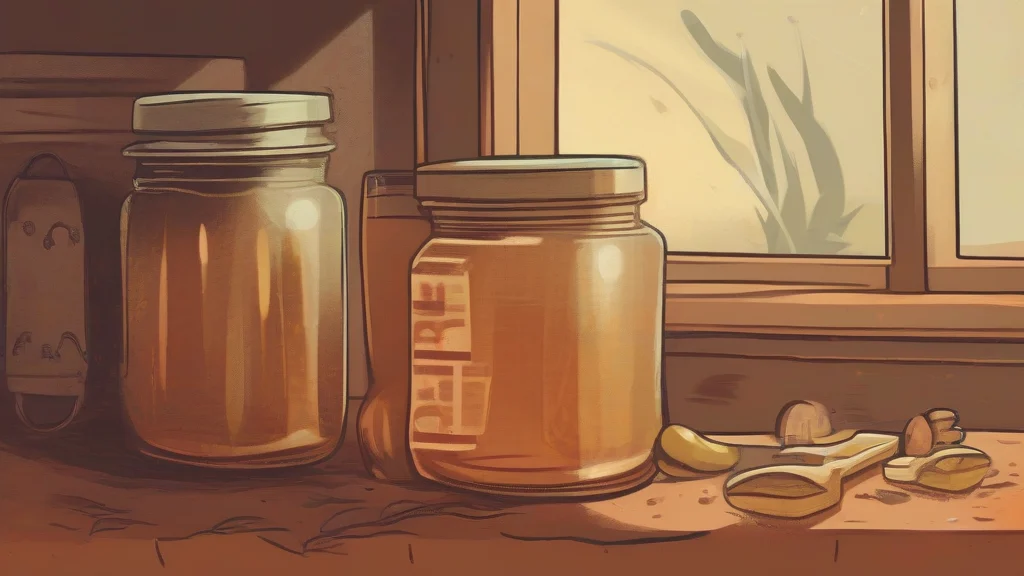
What does preservative mean?
Preservative describes something that protects against loss, change, or deterioration. In its most familiar use, the noun refers to a substance added to food to slow the growth of microorganisms or chemical breakdown, thereby extending its usable life. Familiar examples include salts, sugars, acids, and chemical preservatives. The adjective is also used more broadly for measures, materials, or effects that safeguard something from decay, damage, or excessive change. In ordinary conversation, people may call a food preservative an additive, although the two terms are not exact equivalents: additives can perform functions other than preservation. The word is especially associated with commercial food production, packaging, and regulatory discussion, but it can apply equally to wood preservatives, museum conservation, and other contexts in which deterioration must be slowed. It is often used attributively, as in food preservatives or preservative-free products.
Tending or serving to preserve something, especially by protecting it from deterioration or decay.
"The wood was treated with a preservative coating."
This use is formal or technical and commonly occurs in scientific, regulatory, and preservation-related contexts.
A substance used to preserve food or another material by slowing spoilage, decay, or deterioration.
"The drink contains no artificial preservatives."
The word is especially common in food labeling and is frequently used in the plural when referring to substances added to food.
The plural is especially common when referring to substances added to food to prevent spoilage.
"Some consumers avoid products that contain artificial preservatives."
A preservative can keep food edible for months—but the name also describes anything that safeguards something valuable from decay.
Reviewed by Deb Chak, Editor. AI-assisted content curated by RJS Tech Solutions LLP.
Etymology of preservative
Preservative comes from Latin praeservare, formed from prae- and servare, both meaning “to keep” or “to preserve.” It entered English during the late Middle English and early modern periods in the sense of preserving or protecting something. The same Latin root underlies conserve, conservative, observe, and observation, although their meanings developed in different directions.
Related word forms
How preservative is actually used
The adjective is formal or technical and is less common in everyday speech than words such as protective. As a noun, preservative is especially common in food and packaging contexts and is frequently used in the plural when referring to additives.
Easily confused with preservative
A preventive measure is intended to stop a problem from occurring, whereas a preservative protects something that already exists from deterioration.
Preserved is the usual past-tense and participial form of preserve, while preservative is an adjective describing something that preserves or a noun naming a substance used to preserve.