
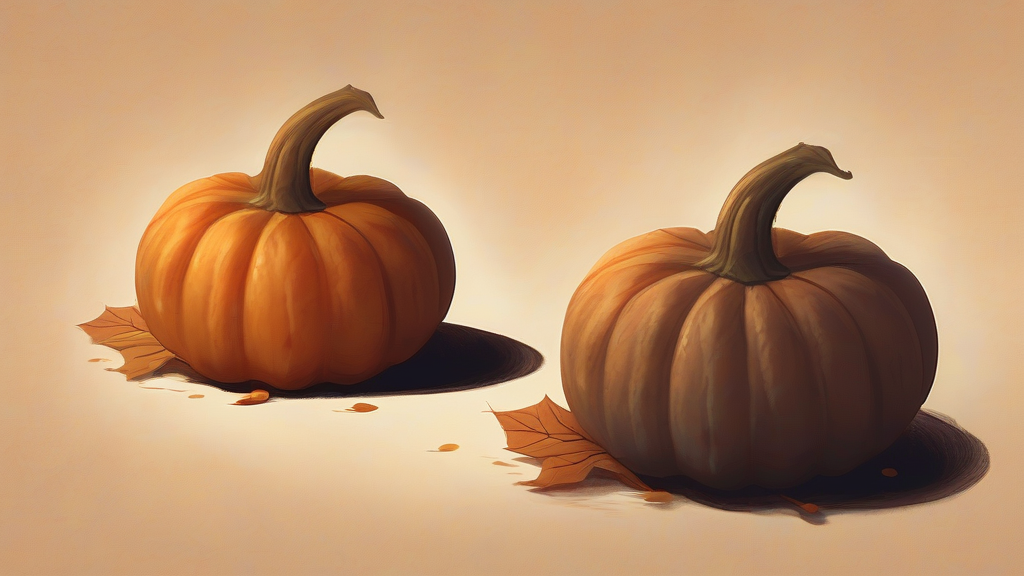
What does pumpion mean?
Pumpion is an old English noun for a wild cucumber or a closely related cultivated plant. Its fruit is intensely bitter, and plants formerly assigned this name were discussed in early European herbals, sometimes in connection with medicinal uses. The word is not part of ordinary modern vocabulary: modern speakers would normally say “cucumber,” “wild cucumber,” or, in some contexts, “bitter cucumber” or “colocynth.” Because historical botanical names were applied inconsistently, the precise plant intended by an early source can be difficult to determine from the name alone. Nevertheless, pumpion is a useful example of how familiar food and medicinal plants acquired several competing English names before scientific botany standardized plant terminology. It is most likely to be encountered in archaic writing, dictionaries of obsolete words, or studies of early English gardening and herbal medicine.
nounAn obsolete name for a wild cucumber or a closely related cultivated plant.
- An obsolete name for the wild cucumber or a closely related cultivated cucurbit.
"The garden contained a pumpion sprawling across the low wall beside the herbs."
"A pumpion grew beside the fence, its broad leaves hiding the small yellow flowers."
"The old herbal described the pumpion as a medicinal plant with intensely bitter fruit."
The plural is historical and rarely needed in modern writing.
"Several pumpions grew along the southern wall."
Pumpion preserves an older chapter of English plant naming, when familiar vegetables were often known by more obscure labels.
Reviewed by Deb Chak, Editor. AI-assisted content curated by RJS Tech Solutions LLP.
Etymology of pumpion
Pumpion belongs to a group of English fruit names associated with French forms such as pompon and with Latin botanical terminology for gourds and cucumbers. The English variants developed through alterations in pronunciation and spelling, while modern pumpkin ultimately continued the same broad linguistic tradition. The historical forms could designate somewhat different members of the cucurbit family, reflecting the loose botanical naming practices of medieval and early modern herbals.
How pumpion is actually used
This is an uncommon historical term rather than standard modern English. Its precise botanical application varies among older dictionaries and herbal sources, so modern botanical works should be consulted when exact identification is required.