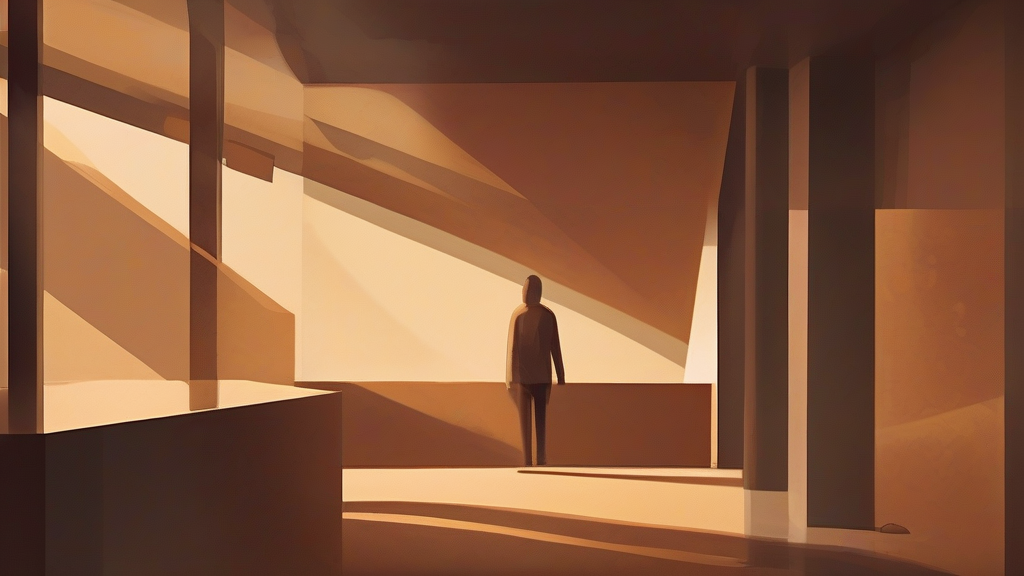
What does recessing mean?
Recessing refers to the act of moving back or receding, often in a recess or a recessed area. It can also describe the process of creating a recess or a setback in a structure or design. This term is commonly used in formal or technical contexts, such as architecture and engineering, where recessing is used to create visually appealing and functional spaces. The verb 'recessing' has a formal tone and is often used to describe a deliberate or intentional action of receding or moving back. Understanding the concept of recessing is essential in various fields, as it can impact the functionality and aesthetic appeal of a design or structure. Recessing can also be used to describe a movement or action of receding in a more general sense.
To move back or recede, often in a recess or a recessed area.
"The company is recessing from the market due to financial difficulties."
To create a recess or a setback in a structure or a design.
"The architect specialized in recessing building facades to create visually appealing and functional spaces."
Reviewed by Deb Chak, Editor. AI-assisted content curated by RJS Tech Solutions LLP.
Etymology of recessing
The term 'recessing' originates from the verb 'recess', which comes from the Latin 'recessus', meaning 'a going back' or 'a retreat'. The Latin term is derived from 'recedere', which means 'to go back' or 'to recede'. The verb 'recessing' has developed from this etymological root, and its meaning has expanded to include the act of moving back or receding, as well as the process of creating a recess or a setback in a structure or design.
Usage notes
The verb 'recessing' is often used in formal or technical contexts, such as architecture, engineering, or economics. It can also be used in more general contexts to describe a movement or action of receding.