What does revue mean?
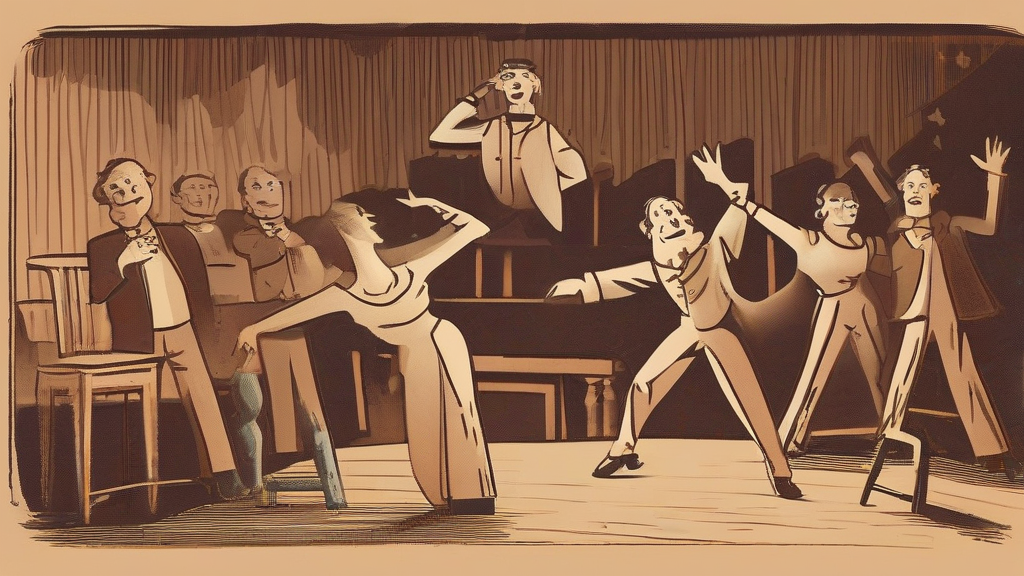
A revue is a type of theatrical entertainment that features a collection of sketches, songs, and dances, often with a satirical or humorous tone. Revues often showcase a variety of performers and can be a platform for social commentary or critique. The term originated in the late 19th century and has since been used to describe a range of performances, from cabarets to musical revues. Revues are often used as a way to showcase new talent or to provide a unique perspective on current events. They can be a popular form of entertainment and are often used in theater, music, and dance.
nounA revue is a theatrical entertainment consisting of a series of sketches, songs, and dances, often satirical or humorous in nature. It is typically performed by a variety of actors, singers, and dancers.
- A theatrical entertainment
- A periodic review or inspection
"The theater company put on a revue that poked fun at current events and social issues."
"The revue featured a mix of music, dance, and comedy."
"The company's annual revue showcased their latest productions."
The plural form 'revues' is used to describe multiple theatrical performances of this type.
"The company produced several revues throughout the year, each with a unique theme and cast."
Reviewed by Deb Chak, Editor. AI-assisted content curated by RJS Tech Solutions LLP.
Etymology of revue
The word 'revue' originated in the late 19th century from the French word 'revue', which is a shortened form of 'revue militaire', a type of military inspection. The term has since been adopted into English and has evolved to describe a type of theatrical performance. The word is related to the English word 'review', which also originated from the French 'revue'.
Usage notes
The term 'revue' often connotes a lighthearted or satirical tone, and is commonly used to describe a type of theatrical performance that is more informal or experimental than a traditional musical or play.