What does ridging mean?
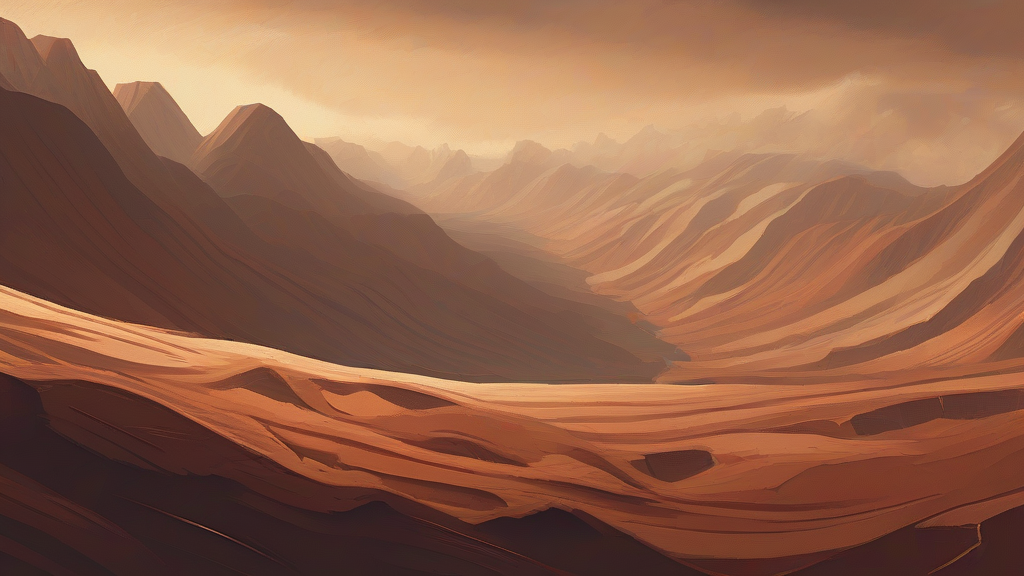
A ridging is a geological feature characterized by a long, narrow elevation of the earth's surface. It is typically formed by the movement of glaciers or the erosion of softer rocks. Ridgings can be found in various parts of the world and can range in size from small hills to large mountain ranges. They can be an important feature in the landscape, providing habitat for plants and animals and influencing local climate and weather patterns. Ridgings can also be a challenge for hikers and climbers, requiring careful navigation and planning to reach the summit. Overall, ridgings are an interesting and important aspect of the natural world, worthy of study and exploration.
nounA ridging is a ridge or a long, narrow elevation of the earth's surface, typically formed by the movement of glaciers or the erosion of softer rocks.
- 1. A long, narrow elevation of the earth's surface, typically formed by the movement of glaciers or the erosion of softer rocks.
"The hikers had to navigate through the ridging to reach the summit of the mountain."
"The hikers had to navigate through the ridging to reach the summit of the mountain."
"The ridging in the landscape provided a habitat for a variety of plants and animals."
Reviewed by Deb Chak, Editor. AI-assisted content curated by RJS Tech Solutions LLP.
Etymology of ridging
The word 'ridging' is derived from the Old English word 'ridg', which means 'ridge' or 'elevation'. This word is also related to the Old Norse word 'hringr', which means 'ring' or 'circle'. The term 'ridging' has been used in English since the 15th century to describe a long, narrow elevation of the earth's surface.
Usage notes
The term 'ridging' is typically used in a formal or technical context, such as in geology or geography. It can also be used in a more general sense to describe any long, narrow elevation of the earth's surface.