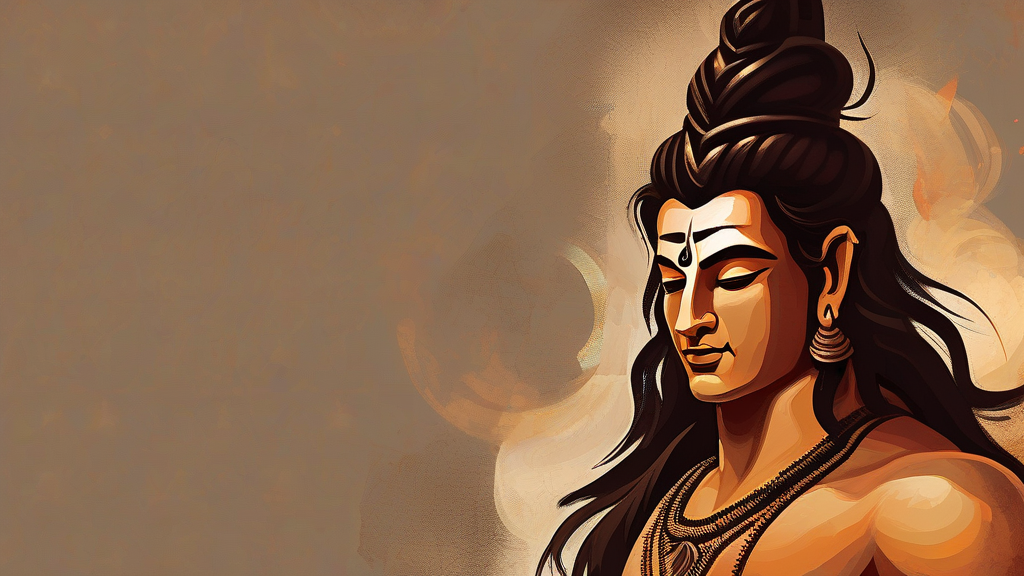
What does shiva mean?
Shiva is a major deity in Hinduism, revered as a destroyer of evil and a transformer of the universe. He is often depicted with multiple arms and a third eye, and is associated with the cycles of creation, preservation, and destruction. Shiva is a complex figure with many aspects and interpretations, and is worshiped by millions of people around the world. He is often paired with his consort, Parvati, and is considered a key figure in Hindu mythology and philosophy. Shiva's significance extends beyond Hinduism, with influences on art, literature, and culture.
nounIn Hinduism, Shiva is one of the principal deities and a member of the Trimurti. He is often depicted as a destroyer of evil and a transformer of the universe.
- Hindu deity
- destroyer and transformer
"The devotees of Shiva gathered at the temple to offer their prayers and perform rituals."
"The image of Shiva dancing is a well-known symbol of Hinduism."
"Shiva is often worshiped as a protector and preserver of the universe."
Reviewed by Deb Chak, Editor. AI-assisted content curated by RJS Tech Solutions LLP.
Etymology of shiva
The word Shiva comes from the Sanskrit language, in which it is written as Śiva. The name Shiva is derived from the Sanskrit root 'śiv', which means 'auspicious' or 'benign'. Shiva has been worshiped in various forms and guises throughout Indian history, with the earliest known references dating back to the Vedic period.
Usage notes
Shiva is a proper noun and is typically used as a title or name for the deity. It is often used in Hindu contexts and is not commonly used as a given name in Western cultures.