
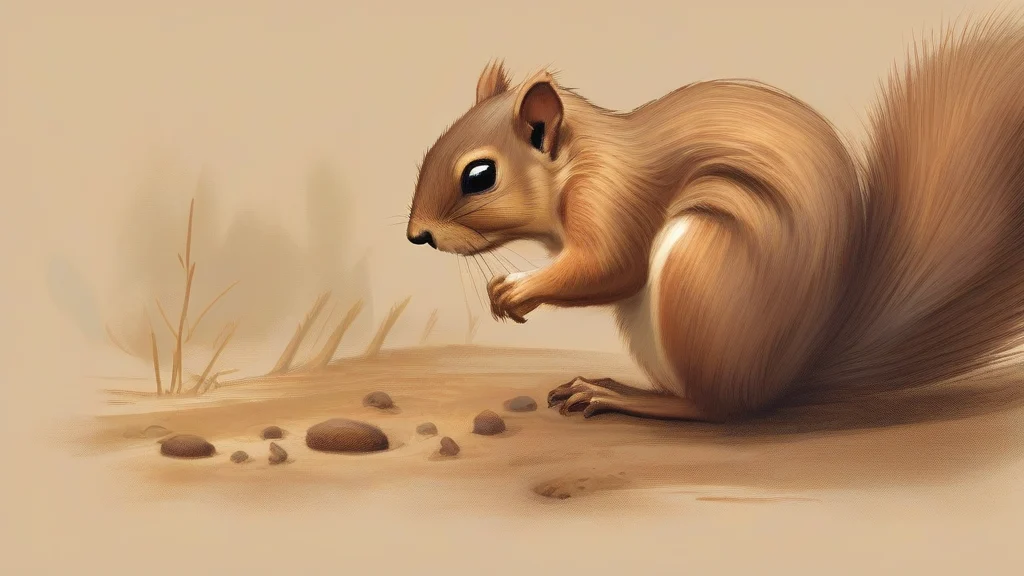
What does spermophile mean?
A spermophile is an animal that eats seeds, especially a squirrel or another seed-eating rodent. The word is used in zoology and ecology when discussing feeding habits, dietary specialization, and animal behavior. Squirrels are familiar examples because many gather and store seeds, although the category can include other seed-eating animals as well. Spermophiles may be especially prominent in ecosystems where seeds are an important food source. In general writing, the more accessible term seed-eater is often preferable, while spermophile is most useful in scientific or descriptive contexts. The name combines Greek roots meaning “seed” and “lover,” reflecting the animal’s close association with seeds.
nounA seed-eating animal, especially a squirrel or other rodent. More broadly, the term can refer to any animal whose principal food is seeds.
- An animal that feeds primarily on seeds, especially a squirrel or similar rodent.
- More broadly, any seed-eating animal.
"The red squirrel is a notable spermophile, gathering seeds before the onset of winter."
"Chipmunks are adaptable spermophiles that eat a wide range of seeds and nuts."
"The term spermophile is most often used in zoological and ecological writing."
The plural is used when referring to more than one animal of this kind.
"Spermophiles can be major consumers of seeds in forest ecosystems."
A spermophile literally loves seed: its name comes from Greek words for “seed” and “lover.”
Reviewed by Deb Chak, Editor. AI-assisted content curated by RJS Tech Solutions LLP.
Etymology of spermophile
The word dates from the 19th century and is formed from Greek sperma, meaning “seed,” and the suffix -phile, meaning “lover” or “one who loves.” Its development follows the same Greek root found in words such as spermatophore and spermatophyte. The term was coined as a zoological designation for seed-eating animals.
Related word forms
How spermophile is actually used
This is primarily a scientific term rather than everyday vocabulary. It is most common in zoology, ecology, and wildlife literature.