
What does steamer mean?
A steamer is a vessel powered by steam, especially one used to carry passengers or cargo. In modern language the term is most often encountered in historical, maritime, or nostalgic contexts: ocean liners were described as steamers, as were the companies and passenger services operating them. The word could also denote a steam-powered train. In the nineteenth and early twentieth centuries, steamers transformed travel and trade by making scheduled journeys faster and more dependable, particularly across oceans and other long distances. They later became familiar from postcards, literature, and the memories of travellers and passengers. Although diesel-powered ships, aircraft, and railways have largely replaced their role, the word remains an evocative reminder of the transition from traditional sail-powered transport to mechanised mass travel. Today it is usually descriptive rather than technical, often suggesting speed, regular service, or an earlier maritime era.
nounA ship or passenger vessel propelled by a steam engine. Historically, the term also referred more broadly to steamship companies, routes, and passenger services.
- A ship or passenger vessel propelled by a steam engine.
- A steamship company, passenger service, or route, especially in historical contexts.
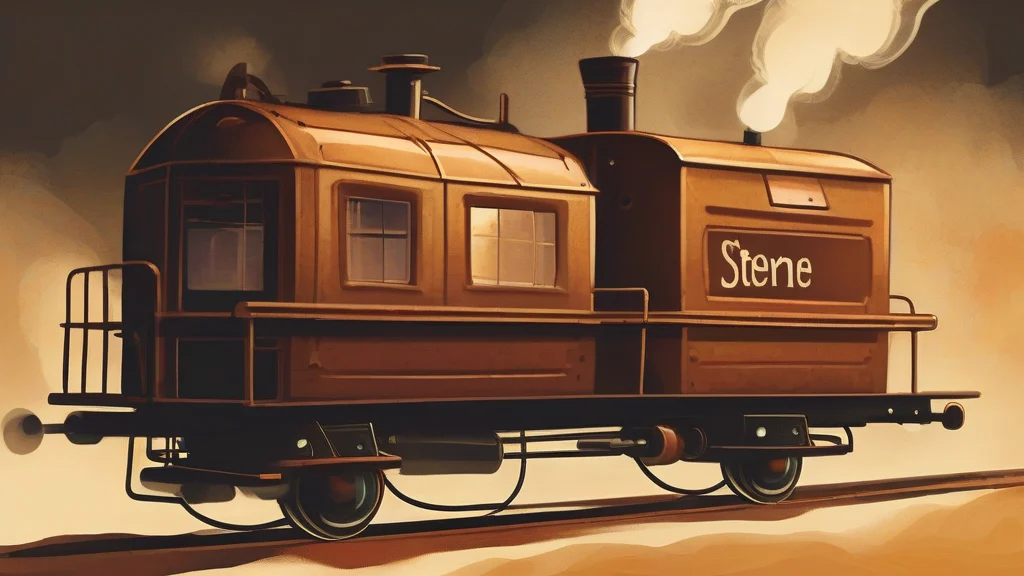
- A steam-powered train, particularly in older usage.
"The steamer crossed the harbour before the wind had risen."
"Tickets for the overnight steamer were sold at the harbour office."
"Their grandfather worked aboard a coastal steamer before the introduction of diesel engines."
The regular plural is used for individual vessels as well as for steam-powered trains, companies, or passenger services.
"Several steamers departed from the eastern pier that morning."
Before jets and container ships, the word steamer promised a new age when crossing an ocean could be faster and more regular than sailing under sail.
Reviewed by Deb Chak, Editor. AI-assisted content curated by RJS Tech Solutions LLP.
Etymology of steamer
The word was formed in the early nineteenth century by adding the agent suffix -er to steam. Steam itself comes from Old English stēam, an Old English word for vapour, smoke, or mist, although the precise origin of that word is uncertain. Steamer and related forms such as steamship and steamboat became established during the period when steam propulsion transformed European shipping and travel.
How steamer is actually used
The word is now chiefly historical or nostalgic, although it remains intelligible in shipping and railway contexts. It often carries a romantic or nostalgic association with the age of ocean liners and regular transatlantic passenger services.
Easily confused with steamer
A steamer is a general term for a steam-powered vessel, often associated with ocean or passenger travel, whereas a steamboat is more commonly a smaller vessel operating on rivers or coastal routes.