
What does tattiest mean?
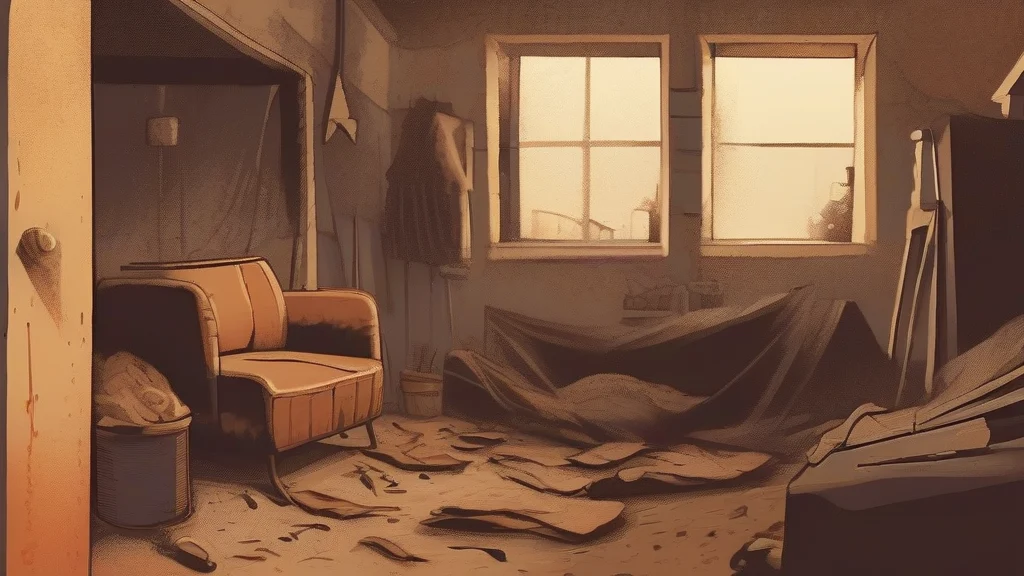
Tattiest is the superlative form of the informal British adjective tatty. It means more shabby, worn-out, or poorly maintained than other things in the same category. The word is especially associated with clothing that has faded, frayed, or become thin through age and use, but it can also describe dilapidated buildings, untidy rooms, or neglected outdoor spaces. In serious contexts it carries a mildly negative or disparaging implication, suggesting neglect or inadequate care. In conversation, however, it may be used humorously or affectionately, as when someone jokingly calls an old favourite garment their tattiest possession. Tattiest is a useful word when precision matters: it identifies the most tatty item in a group rather than merely describing one as somewhat worn. The expression belongs chiefly to everyday British English and is less common in formal writing, although it is readily understood by speakers of other English varieties.
adjectiveThe superlative of tatty: shabby, worn-out, or in poor condition. It often describes clothing that is frayed, faded, or badly maintained.
- In its standard use, tattiest means the most shabby, worn-out, or dilapidated member of a group.
"Of all the coats in the lost-property room, the green one was by far the tattiest."
"Of all the coats in the lost-property room, the green one was by far the tattiest."
"The tattiest corner of the garden had become a tangle of weeds and broken fencing."
Tattiest looks like a tongue twister, but it simply marks the superlative of the thoroughly British tatty.
Reviewed by Deb Chak, Editor. AI-assisted content curated by RJS Tech Solutions LLP.
Etymology of tattiest
Tattiest is formed by adding the superlative suffix -est to tatty. The base adjective tatty has been documented since the nineteenth century, but its deeper origin is uncertain and cannot be securely traced to a particular language. The modern meaning developed in the informal vocabulary of British English, where it described clothing and other possessions that were badly worn or shabby.
How tattiest is actually used
Informal and chiefly British, this word is mildly disparaging when used seriously, although it can also be playful or affectionate. It is especially common for worn clothing but can describe other objects, rooms, or places in poor condition.