
What does tup mean?
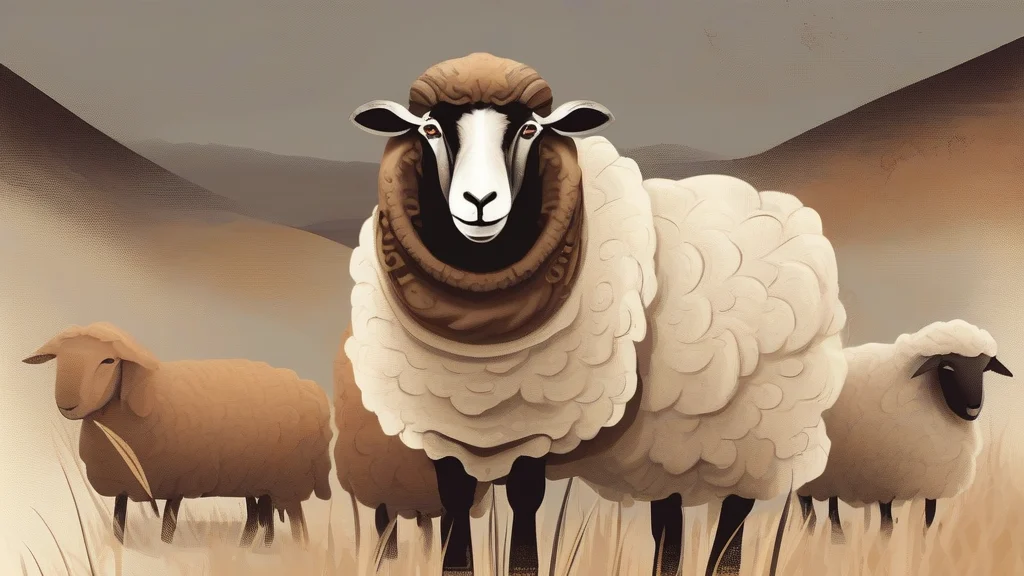
A tup is a male sheep, especially a ram. The noun is chiefly British and carries a traditional rural character, although it is simply a less general synonym for "ram." As a verb, tup means to strike or butt with the head, a usage that is relatively uncommon and can sound blunt or dialectal. The word can thus refer either to the animal itself or to a characteristic head-first movement: a tup may butt another animal, or a person or vehicle may tup into something. In contemporary English, "ram" is much more widely understood, but tup remains a useful traditional term, especially in British writing and speech concerned with sheep. Its clipped, forceful sound also gives it a memorable place in regional vocabulary.
A male sheep, especially a ram.
"A large tup stood guard beside the flock."
Chiefly British; traditional and rural in tone.
To strike or butt with the head.
"The ram tupped the fence and sent the gate swinging."
Relatively uncommon and somewhat dialectal.
The standard plural of the noun.
"Several tups grazed beside the stone wall."
More than a sturdy British synonym for ram, a tup can also be a verb for knocking or butting with the head.
Reviewed by Deb Chak, Editor. AI-assisted content curated by RJS Tech Solutions LLP.
Where does tup come from?
The noun is recorded in Middle English as tup, meaning a male sheep. Its deeper origin is uncertain, although related forms occur in Old Norse and other Germanic languages, and accounts of the exact historical development vary.
How tup is actually used
The noun is chiefly British and is especially associated with rural language; it is more common than the broader international term "ram." The verb is comparatively rare and may sound blunt or dialectal. In both senses, the word can evoke force, stubbornness, or robust rural speech.
Easily confused with tup
A tup is a male sheep, whereas a ewe is a female sheep.
A tup is a ram, while a tap is a faucet, a light knock, or a small container from which a drink may be dispensed.