What does visne mean?
Visne is a rare or obsolete word that refers to a type of tree or shrub, particularly the European black alder (Alnus glutinosa). It is not commonly used in modern English and is primarily of interest to botanists or historians. The word is derived from the Old English word 'visne', which is related to the word 'alder'. Visne trees are characterized by their conical shape and dark green leaves. They are often found growing along rivers and streams. In the past, visne trees were used for a variety of purposes, including furniture-making and medicine. Today, the word visne is mostly of interest to those studying the history of botany or the evolution of language. Despite its rarity, visne remains an important part of the English language and a fascinating example of a word that has fallen out of common use.
nounVisne is a rare or obsolete word that refers to a type of tree or shrub, particularly the European black alder (Alnus glutinosa).
- A type of tree or shrub, particularly the European black alder (Alnus glutinosa).
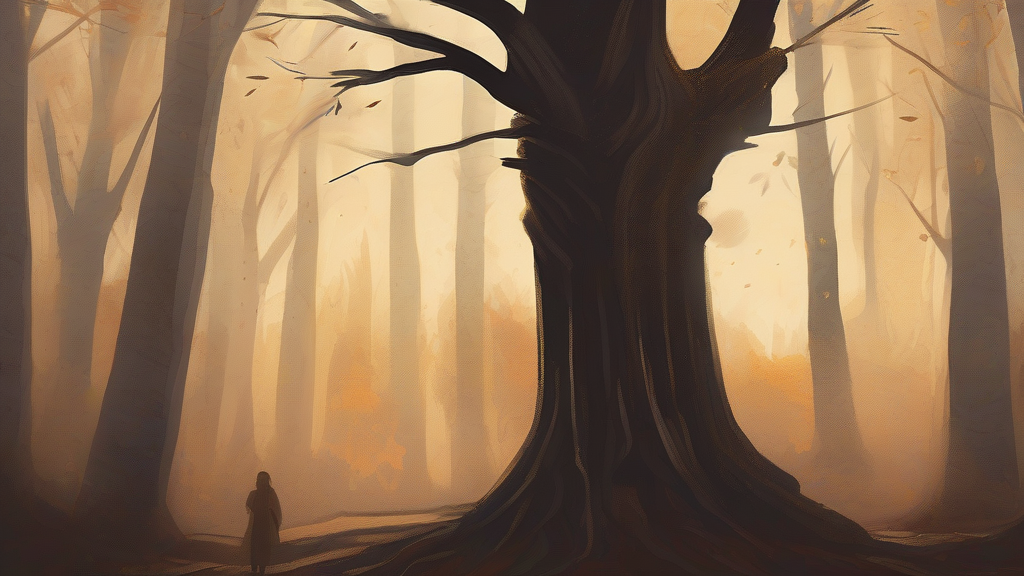
"The visne tree grew along the riverbank, its branches stretching towards the water."
"The visne tree grew along the riverbank, its branches stretching towards the water."
"In the old forest, the visne trees towered above the underbrush."
Reviewed by Deb Chak, Editor. AI-assisted content curated by RJS Tech Solutions LLP.
Etymology of visne
The word visne is derived from the Old English word 'visne', which is related to the word 'alder'. This etymology suggests that the word visne has its roots in the language of the Anglo-Saxons, who used the word to refer to a type of tree or shrub. Over time, the word visne fell out of common use and was replaced by more modern terms. Today, the word visne is mostly of interest to those studying the history of botany or the evolution of language.
How visne is actually used
Visne is a rare or obsolete word and is not commonly used in modern English. It is primarily of interest to botanists or historians.