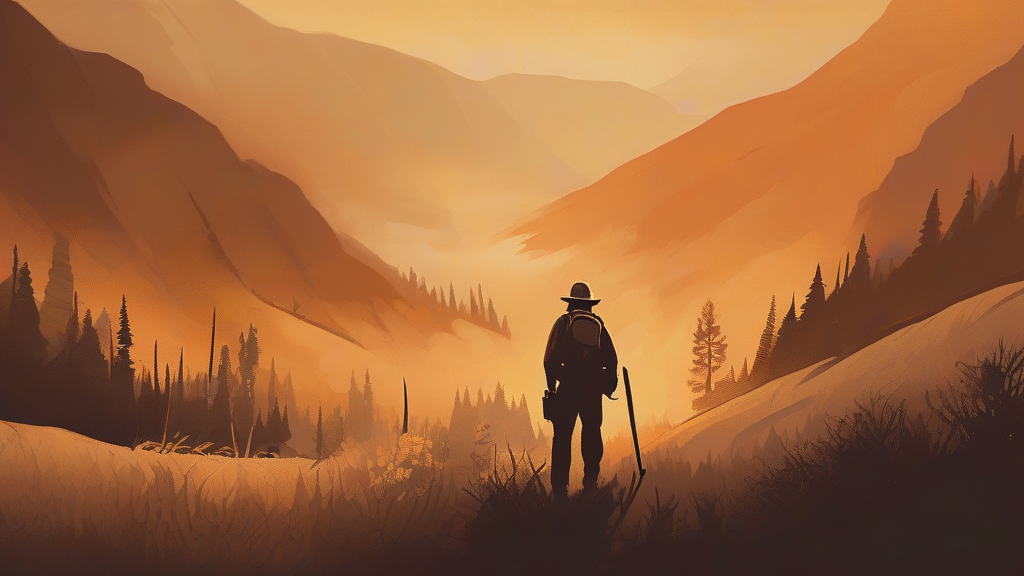
What does wildland mean?
A wildland is an area of land that remains largely untouched and unmanaged by humans, often characterized by its natural state and minimal human impact. These areas can be found in various parts of the world and are typically managed for conservation, recreation, and ecological preservation. Wildlands can include national parks, wilderness areas, and other protected lands. The term is often used in the context of environmental conservation and outdoor activities such as hiking, camping, and wildlife watching. Understanding wildlands is essential for appreciating the importance of preserving natural habitats and ecosystems. The concept of wildlands also raises questions about the balance between human needs and environmental protection.
nounA wildland refers to an area of land that is largely undeveloped, unmanaged, and often uninhabited by humans, typically characterized by natural vegetation, wildlife, and minimal human impact.
- Undeveloped and often uninhabited area of land
- Area managed for conservation and recreation
"The national park was a vast wildland of untouched forests and meadows."
"The wildland fire threatened to spread to nearby homes."
"The hikers trekked through the wildland for hours."
Used when referring to multiple areas of wildland.
"The organization works to protect wildlands across the country."
Reviewed by Deb Chak, Editor. AI-assisted content curated by RJS Tech Solutions LLP.
Etymology of wildland
The term 'wildland' originated in the United States in the early 20th century, derived from the words 'wild' and 'land'. It refers to areas of land that are largely undeveloped and unmanaged. The concept of wildlands is closely tied to the conservation movement and the establishment of national parks and protected areas.
Usage notes
Often used in the context of conservation, ecology, and outdoor recreation. Can refer to areas managed by government agencies or private organizations.