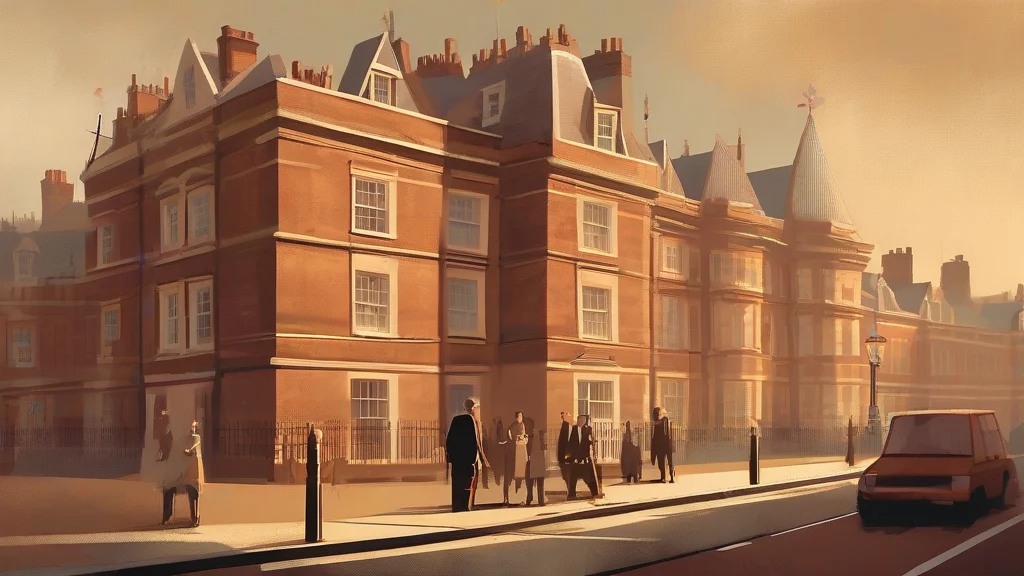
What does anglomania mean?
Anglomania is an intense, sometimes excessive enthusiasm for England and English culture, customs, and institutions. The word combines 'Angle' or 'English' with the Greek-derived suffix '-mania', which denotes obsessive passion, and it entered European usage in the eighteenth and nineteenth centuries, when continental observers — particularly in France — used it to describe compatriots who imitated English fashion, politics, food, and manners. Unlike simple Anglophilia, which denotes straightforward admiration of England, anglomania carries a connotation of excess; it is typically applied by outsiders with a tone of amusement or mild criticism rather than claimed proudly by admirers themselves. A person described as having anglomania might drink only English tea, collect British memorabilia, idealize the monarchy, or affect English mannerisms. Related terms include Anglophile (an admirer of England) and Anglophobia (dislike or fear of England), its conceptual opposite. The word remains useful today for describing cultural fascination that tips into devotion.
nounAn intense or excessive enthusiasm for England and English customs, culture, and institutions.
- Excessive or obsessive enthusiasm for England and things English.
"His anglomania led him to fill his house with English china, tweed jackets, and a collection of first-edition Dickens novels."
"Her anglomania was evident in the Union Jack cushions, the afternoon tea ritual, and the shelf of Agatha Christie first editions."
"The essayist's anglomania colored everything he wrote, from his praise of English gardens to his insistence on driving on the left."
Rarely pluralized in practice; the singular is standard even when describing multiple people's enthusiasm.
"Different national varieties of anglomanias emerged across nineteenth-century Europe."
In the 19th century, French critics coined 'anglomanie' to mock their compatriots who slavishly imitated everything English — from roast beef to constitutional politics.
Reviewed by Deb Chak, Editor. AI-assisted content curated by RJS Tech Solutions LLP.
Etymology of anglomania
Anglomania derives from the combination of 'Anglo-', referring to England or the English, and '-mania', from Greek 'mania' meaning madness or frenzied enthusiasm. The term arose on the European continent, most notably in France, during the eighteenth century as 'anglomanie', when English political institutions, fashion, and culture were widely admired abroad. It passed into English usage in the nineteenth century, retaining the sense of excessive or imitative devotion to things English.
Related word forms
How anglomania is actually used
Usually used with a mildly critical or amused connotation, suggesting the enthusiasm has gone beyond reasonable admiration into obsession. The term is more often applied by outsiders observing someone's fondness for England than claimed by admirers themselves.
Easily confused with anglomania
Anglophilia refers to admiration of England in general, while anglomania implies an excessive, almost obsessive enthusiasm for all things English.