What does bantam mean?
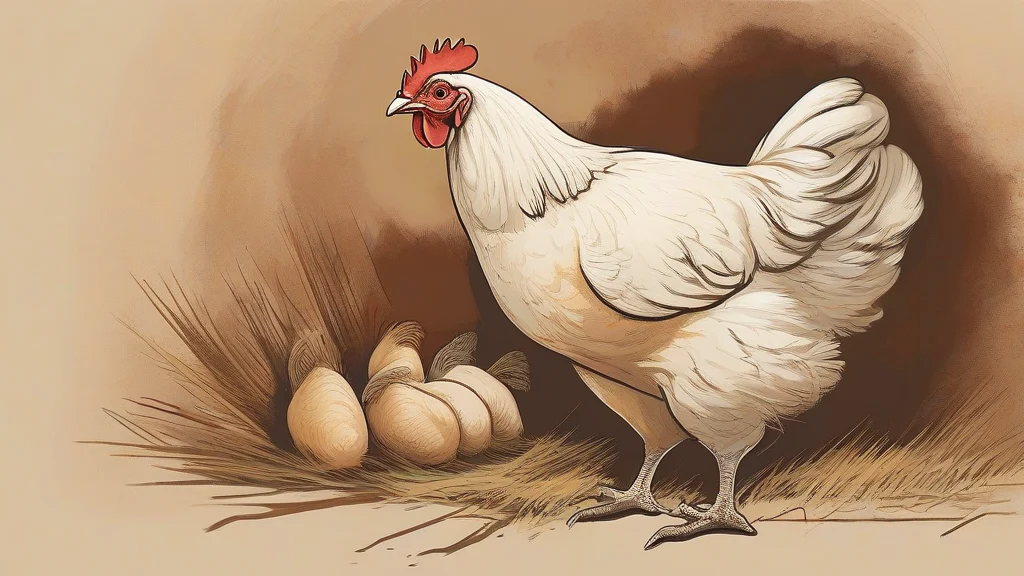
Bantam is a noun referring to any of numerous miniature breeds of domestic chicken, usually about half the size of a standard bird, kept widely by hobbyists for eggs, ornament, and exhibition. The name derives from Banten (historically spelled Bantam), a port town on the Indonesian island of Java from which small fowl were shipped to Europe centuries ago. By extension, the word acquired a vivid figurative meaning: a person who is small in stature but notably bold, aggressive, or combative — much like the famously pugnacious bantam cockerel. This second sense underlies familiar sporting vocabulary such as 'bantamweight', a division in boxing and wrestling for fighters at the light end of the scale. Whether used literally of poultry or figuratively of people, 'bantam' consistently connotes compactness combined with outsized spirit, making it a colorful alternative to plain words like 'small'.
nounA bantam is a small breed of domestic chicken, typically about half the size of a standard chicken, often bred for ornamental or exhibition purposes. The word also carries a figurative sense describing a small but feisty, combative person.
- A very small variety of domestic fowl, typically half the size of ordinary chickens.
- Figuratively, a small but aggressive or spirited person (often used with a hyphenated adjective like 'bantam-weight').
"The rooster was a bantam, barely knee-high to the farm's other hens, yet he ruled the yard."
"She keeps a flock of bantams in the garden, their eggs no bigger than a ping-pong ball."
"Despite his slight frame, he had the swagger of a bantam rooster."
Standard plural; used both for multiple birds and, informally, for multiple small but spirited people.
"He raises bantams alongside his full-sized hens."
Named after the Indonesian port of Banten, this tiny chicken inspired an entire weight class in boxing — and gave us the phrase for anyone small but scrappy.
Reviewed by Deb Chak, Editor. AI-assisted content curated by RJS Tech Solutions LLP.
Etymology of bantam
Bantam entered English in the early 17th century as a trade name for small chickens shipped through the Javanese port of Bantam (modern Banten) in Indonesia, where European traders first encountered them. The place name itself is believed to derive from a local Sundanese word, though the exact source is not firmly established. From the poultry sense grew the figurative English usage describing a small but feisty person, which in turn influenced sporting terms such as bantamweight. Related words are chiefly other poultry terms rather than true cognates from another root.
How bantam is actually used
The figurative use is informal and slightly humorous. In British English, 'bantam' has long been associated with small, spirited men; in American English it is more commonly encountered through the sport of boxing, where 'bantamweight' denotes one of the lighter fighting classes. As a poultry term, 'bantam' is standard among keepers and breeders of ornamental chickens.
Easily confused with bantam
Bantam refers to a small chicken or a small but pugnacious person, while 'banned' means officially prohibited or forbidden.