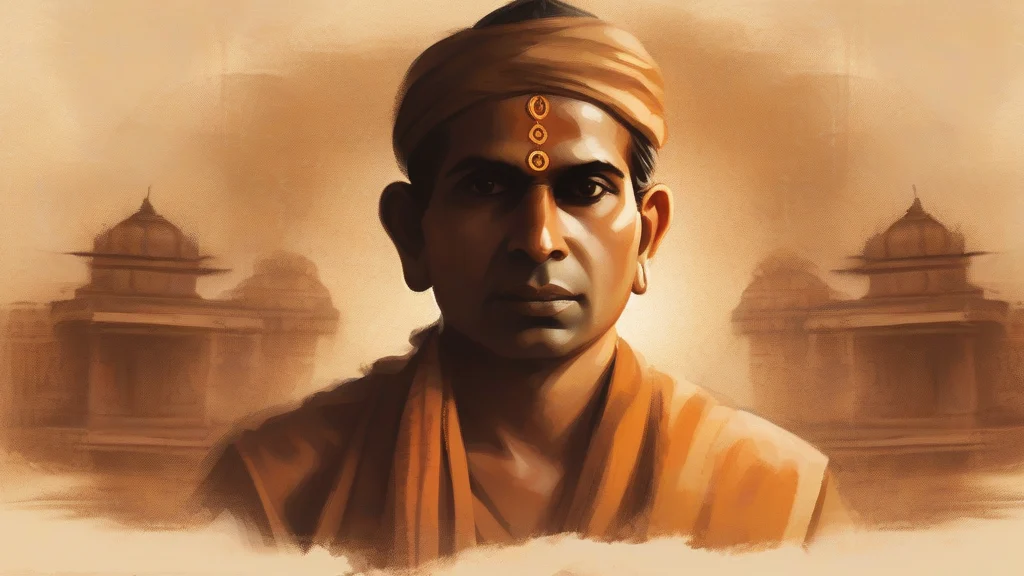
What does brahmin mean?
A Brahmin is a member of the highest of the four traditional castes (varnas) in Hindu society, historically comprising priests, scholars, and teachers entrusted with religious rites and the preservation of sacred texts. The word derives from Sanskrit brāhmaṇa and entered European languages during the colonial era as observers documented Indian social structures. Beyond its original meaning, 'Brahmin' has taken on an extended figurative sense: it describes members of a cultivated social or intellectual elite, most famously in the phrase 'Boston Brahmin,' which refers to the old, wealthy Anglo-American families of Boston known for their patronage of education and culture. This secondary usage can carry connotations of refinement and learning, but also of exclusivity, privilege, or snobbery depending on context. Whether describing a Hindu priestly lineage or a patrician establishment family, the word consistently signals hereditary status at the top of a social hierarchy.
A member of the highest Hindu caste, traditionally consisting of priests, scholars, and teachers responsible for religious rites and the transmission of sacred knowledge.
"As a Brahmin, he had studied the Vedas from childhood under his father's guidance."
Figuratively, a member of a cultured or socially dominant elite, especially one distinguished by inherited wealth, education, and influence (e.g., a Boston Brahmin).
"She married into a Boston Brahmin family whose philanthropy dated back to the eighteenth century."
Regular plural; capitalized when referring to caste members, often lowercase in figurative uses.
"For centuries, brahmins preserved the oral tradition of the Sanskrit epics."
In Boston, 'Brahmin' once described not Hindu priests but the city's oldest, most patrician families — proving a Sanskrit word could become New England aristocracy.
Reviewed by Deb Chak, Editor. AI-assisted content curated by RJS Tech Solutions LLP.
Etymology of brahmin
Brahmin comes from the Sanskrit word brāhmaṇa, denoting a man belonging to the priestly caste, itself derived from Brahman — the term for both the ultimate cosmic reality in Hindu thought and the sacred priestly power. The word was absorbed into English through Portuguese and other colonial-era contacts with India in the sixteenth and seventeenth centuries. In nineteenth-century America, Oliver Wendell Holmes Sr. popularized the figurative sense by applying the term to Boston's established elite families, likening their hereditary cultural authority to that of the Hindu priestly class.
Related word forms
How brahmin is actually used
Capitalized when referring specifically to the Hindu caste ('a Brahmin'), often lowercase in the figurative social-elite sense. The figurative use carries connotations of privilege, refinement, and sometimes exclusivity or snobbery.
Easily confused with brahmin
Brahman refers both to the ultimate reality in Hindu philosophy and to the priestly class or a breed of cattle, while Brahmin more specifically denotes a member of the Hindu priestly caste or, figuratively, a cultural elite.