What does brit mean?
Brit is an informal, shortened form of 'British', used as a casual noun for a person from Britain. It is widely used both by British people themselves and by others, and its tone ranges from friendly to mildly cheeky depending on context, though it is rarely considered offensive. The plural form 'Brits' appears constantly in journalism and conversation, especially in phrases like 'Brits abroad', often describing holidaymakers or expatriates. A completely separate and much rarer sense exists in nautical and marine-biology writing, where brit denotes the swarms of tiny planktonic creatures, particularly copepods, on which whales such as the right whale feed — a usage made famous by Herman Melville in Moby-Dick. The personal sense is by far the dominant one today, making brit a compact, versatile word for talking about British identity in everyday language.
An informal term for a British person.
"A group of Brits struck up a conversation at the next table."
Usually capitalised; the plural 'Brits' is more common than the singular.
Small marine organisms, such as copepods and other plankton, on which whales feed.
"Right whales gorge themselves on brit in the waters off Cape Cod."
Lowercase; a specialised nautical and literary term, best known from Moby-Dick.
The regular plural applies only to the personal sense; the marine sense is typically treated as a mass noun.
"Brits make up one of the largest groups of visitors to the island."
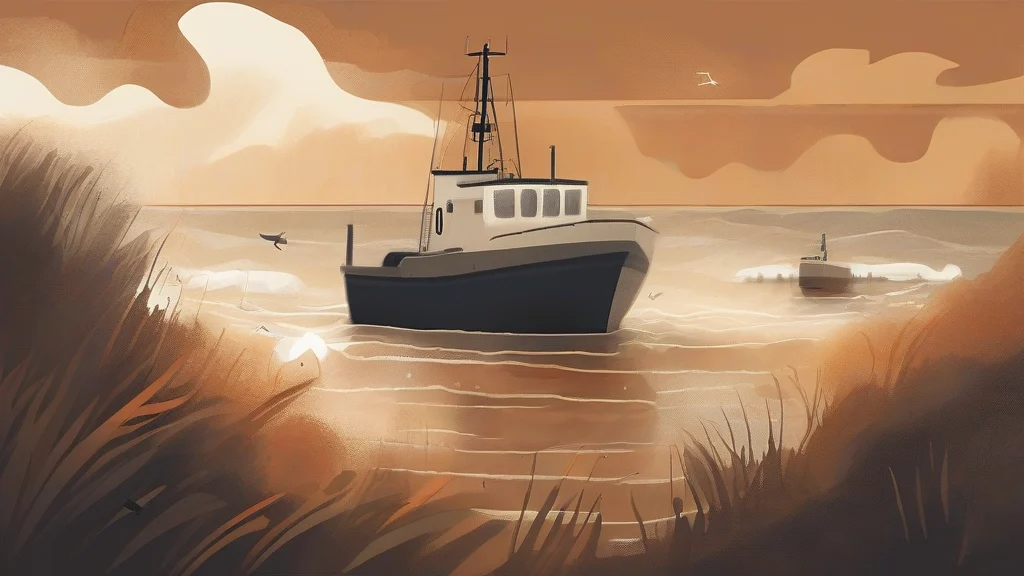
Before it meant a person, brit was what Herman Melville called the microscopic sea life that whales feast on — one word, two utterly different worlds.
Reviewed by Deb Chak, Editor. AI-assisted content curated by RJS Tech Solutions LLP.
Etymology of brit
As a term for a British person, brit arose as a colloquial clipping of 'Briton' or the older 'Britisher', with the clipped form becoming widespread in the twentieth century. It ultimately traces back through Old English 'Bryttas' and Latin 'Brittones' to the Celtic peoples of Great Britain, sharing a root with Brittany and Breton, names given by migrating Britons in continental Europe. The unrelated marine sense of brit appeared earlier in seafaring vocabulary and was popularised by Melville's depiction of whale feeding grounds.
How brit is actually used
Generally neutral to affectionate in tone when used by outsiders, though context matters; most British people use it about themselves without offence. Capitalisation varies — 'Brit' for the person is usually capitalised, while the marine sense 'brit' is lowercase. The plural 'Brits' is far more common than the singular in everyday speech.
Easily confused with brit
Briton is the formal standard term for a British person, while Brit is its casual, colloquial short form.
In informal British slang, brilliant can be shortened in speech to sound like 'brill', which is unrelated to the noun Brit meaning a British person.