What does abask mean?
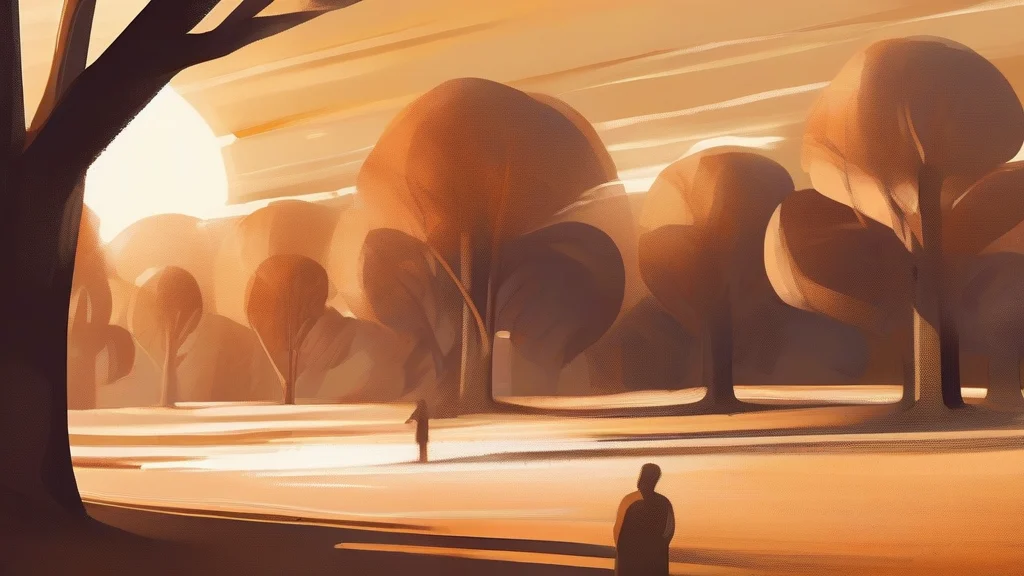
Abask is a rare English adjective used to describe someone or something lying comfortably in warmth, especially the light and heat of the sun. It functions much like the phrase "basking": a cat sprawled across a sunny windowsill, a lizard stretched flat on a warm rock, or a reader dozing in an armchair by a bright window can all be described as abask. The word is formed with the common prefix "a-" (as in ablaze or aglow) attached to the verb "bask," which itself comes from Old Norse roots connected to bathing. Because it is uncommon today, abask carries a distinctly literary flavor — it tends to appear in descriptive prose rather than everyday conversation, where speakers would more naturally say "basking." Its connotations are entirely pleasant: ease, contentment, laziness, and the simple pleasure of absorbing warmth. For readers and writers who enjoy precise, evocative vocabulary, abask offers a compact way to capture that state of luxurious, sun-drenched stillness that ordinary words describe only more clumsily.
adjectiveIn or into the warmth of the sun; basking, especially in sunlight.
- Lying or resting in pleasant warmth, especially sunshine; basking.
"The cat lay abask on the windowsill, soaking up the afternoon light."
"The old dog stretched out abask on the warm patio stones."
"Turtles were abask on every log along the riverbank."
Abask is what happens when you're too content to move — the word itself seems to stretch out lazily in the sun.
Reviewed by Deb Chak, Editor. AI-assisted content curated by RJS Tech Solutions LLP.
Etymology of abask
Abask derives from the verb "bask," which entered English from Old Norse "baðast" (to bathe oneself), via Middle English "basken" — originally meaning to wallow or bathe in warmth before narrowing to mean enjoying sunshine. The prefix "a-", from Middle English, converts the verb into an adjective meaning "in the state of basking," following the same pattern as "ablaze" or "aglow." The word has been in use since at least the early modern period but remains rare in contemporary English.
How abask is actually used
Rare and somewhat literary or archaic in register; most modern writers simply use "basking" instead. It appears chiefly in descriptive prose about animals, people, or places enjoying sunlight or warmth.
Easily confused with abask
"Bask" is a verb meaning to lie in and enjoy warmth, while "abask" is a rare adjective describing something that is in that state of basking.