What does aerophone mean?
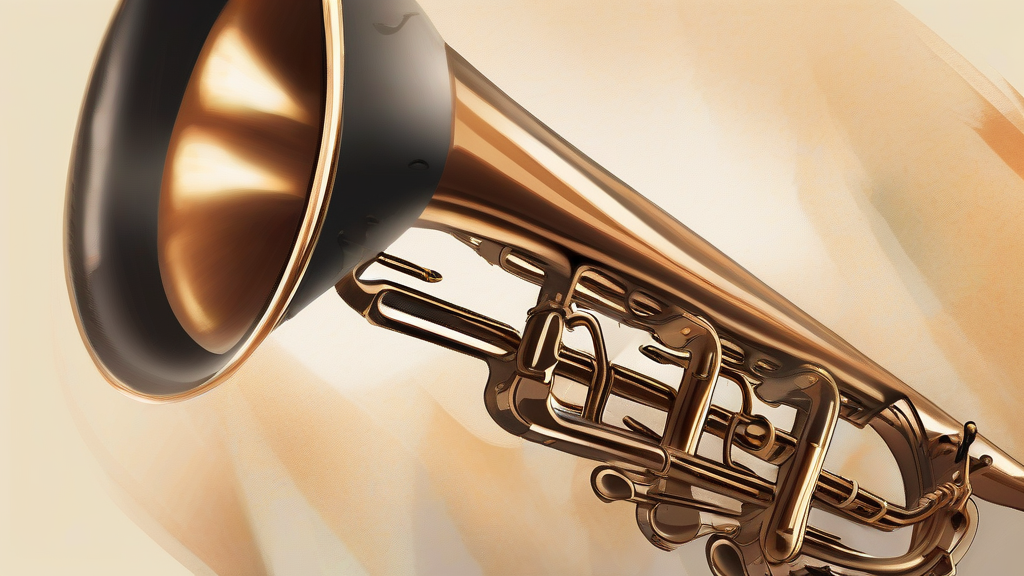
An aerophone is any musical instrument that produces sound primarily through the vibration of air, with no strings or membranes involved in generating the initial sound. The category covers most of what people casually call wind instruments: flutes, clarinets, oboes, trumpets, trombones, tubas, and organ pipes all qualify, as does the human voice when considered as an instrument. The term belongs to the Hornbostel–Sachs system, the influential classification scheme devised by Erich Moritz von Hornbostel and Curt Sachs in the early twentieth century, which divides instruments into four principal families — idiophones, membranophones, chordophones, and aerophones — later joined by electrophones. Within the aerophone class, scholars distinguish between free aerophones, where the vibrating air is unconfined, and non-free aerophones, where air vibrates within a tube. Because it is a scholarly label rather than a household word, 'aerophone' appears mainly in academic writing, encyclopedias, and museum descriptions, offering precision where the looser phrase 'wind instrument' would be less exact.
nounAny musical instrument that produces sound primarily by causing a body of air to vibrate without the use of strings or membranes, as classified in the Hornbostel–Sachs system of instrument classification.
- A musical instrument whose sound is generated by vibrating air, such as flutes, trumpets, and organ pipes; one of the four main categories in the Hornbostel–Sachs classification system.
"Flutes, trumpets, and organ pipes are all examples of aerophones."
"The museum's collection of world instruments is organized by type, with its aerophones — from bamboo flutes to brass horns — occupying an entire wing."
"Ethnomusicologists classify the panpipes as free aerophones because the vibrating air column is not confined within a tube."
Standard regular plural; commonly used when discussing instrument collections or classification categories.
"The gallery groups its aerophones by region, from Asian bamboo flutes to European brasses."
In the Hornbostel–Sachs system used by museums worldwide, your voice technically counts as an aerophone — making you a walking member of the same family as the trumpet and the pipe organ.
Reviewed by Deb Chak, Editor. AI-assisted content curated by RJS Tech Solutions LLP.
Etymology of aerophone
The word 'aerophone' combines two ancient Greek roots: 'aēr', meaning air, and 'phōnē', meaning sound or voice. It was coined in the context of modern scientific instrument classification, gaining currency through the Hornbostel–Sachs system published in 1914. Its elements appear across many English words: 'aēr' underlies aerial and aerobic, while 'phōnē' gives us telephone, symphony, and euphony, making these useful cognates for readers tracing the word's shape and sense.
How aerophone is actually used
A technical term used chiefly in ethnomusicology, musicology, and museum cataloguing rather than everyday speech. In casual conversation, speakers typically say 'wind instrument' instead. The plural 'aerophones' is standard.
Easily confused with aerophone
A chordophone produces sound through vibrating strings (like a violin or harp), whereas an aerophone produces sound through vibrating air.
A membranophone produces sound via a vibrating stretched membrane (such as a drum), while an aerophone relies on vibrating columns or bodies of air.