What does afterburner mean?
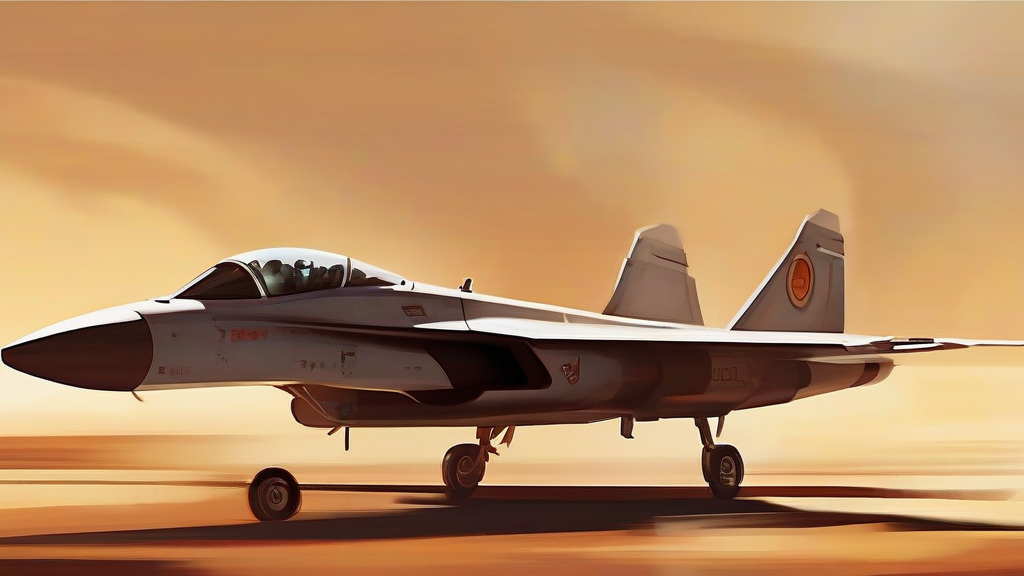
An afterburner is a supplementary combustion device fitted to some jet engines — most famously those of military fighters — that injects fuel directly into the hot exhaust stream and ignites it, producing a dramatic surge of extra thrust. Engaged for takeoff, rapid acceleration, or supersonic dash, it can substantially increase power, but it consumes enormous quantities of fuel, so pilots use it sparingly. The word belongs chiefly to technical and aviation contexts, where phrases like 'light the afterburners' or 'full afterburner' are standard. By extension, English speakers use 'afterburner' figuratively and informally to describe a final, all-out push of energy or speed, as in finishing a project with full afterburner. In British service the same mechanism is traditionally known as reheat, though 'afterburner' is now widely understood internationally. Its vivid imagery makes it a memorable and useful term both literally and metaphorically.
A device fitted to a jet engine that injects and ignites additional fuel in the exhaust stream to produce extra thrust.
"Concorde's afterburners were engaged during takeoff and supersonic cruise."
In British aviation terminology the same system is commonly called 'reheat'.
(Informal, figurative) A burst of maximum effort, energy, or speed likened to engaging an aircraft's afterburner.
"The team switched into full afterburner to ship the release on time."
Standard plural; engines typically have one afterburner each, so multi-engine aircraft are described as having plural afterburners.
"Both afterburners ignited as the jet accelerated down the runway."
An afterburner can double a jet engine's thrust — at the cost of guzzling fuel so fast that pilots call it 'zapping' and use it only in short bursts.
Reviewed by Deb Chak, Editor. AI-assisted content curated by RJS Tech Solutions LLP.
Etymology of afterburner
The word 'afterburner' is a transparent English compound formed from 'after' (Old English 'æfter') and 'burner', an agent noun from the verb 'burn', which derives from Old Norse 'brenna'. The term arose in twentieth-century aviation engineering to describe a device that burns fuel a second time — after the engine's main combustion — and became widespread with the jet age of the 1940s and 1950s. It shares its roots with ordinary English words built on 'burn' and 'after', rather than with classical cognates.
How afterburner is actually used
Primarily technical/aerospace vocabulary; the figurative sense ('full afterburner') is informal and common in business and sports commentary. In British aviation usage the system is often called 'reheat'.
Easily confused with afterburner
A burner is any device that burns fuel (such as a stove burner), whereas an afterburner specifically re-burns the exhaust of a jet engine to add thrust.