What does aileron mean?
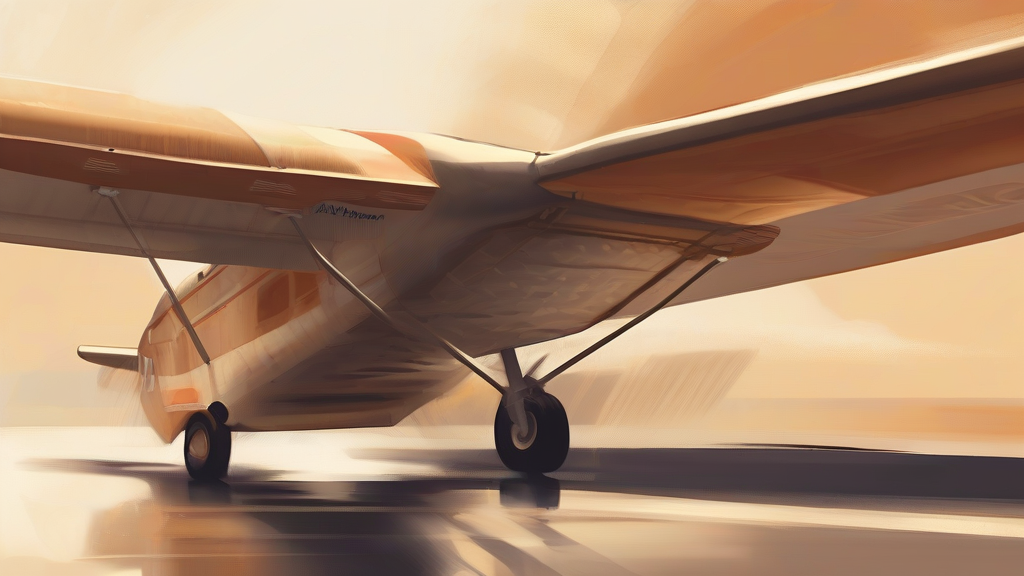
An aileron is one of the primary flight-control surfaces of a fixed-wing aircraft: a hinged flap mounted on the outer trailing edge of each wing. When a pilot moves the control wheel or stick sideways, the aileron on one wing rises while the other descends, reducing lift on one side and increasing it on the other so the aircraft rolls into a banked turn. The name comes from the French for 'little wing', a fitting description of these small movable panels. Ailerons are essential to controlled flight and appear in virtually every powered aeroplane, from light trainers to jumbo jets. Related manoeuvres such as the 'aileron roll' have entered popular vocabulary, and the term is standard in pilot training, aviation engineering, and air-show commentary. Though strictly technical, the word is well known among anyone with an interest in how aircraft fly.
nounA hinged flap on the trailing edge of an aircraft wing, used to control the aircraft's roll by moving up on one wing and down on the other.
- A hinged control surface on the trailing edge of an aircraft wing that moves up on one side and down on the other to produce rolling motion.
"The pilot eased the control column sideways, and the ailerons tilted the wings into a smooth banking turn."
"During the aerobatic display, the pilot executed a crisp aileron roll across the sky."
"The mechanic inspected the aileron hinges as part of the pre-flight maintenance check."
Standard plural; aircraft always have two ailerons, one per wing, so the plural is common in technical writing.
"Both ailerons were checked for free movement before takeoff."
The word 'aileron' literally means 'little wing' in French — the tiny flaps that let a huge airliner bank through the sky are named after miniature versions of the very thing they're attached to.
Reviewed by Deb Chak, Editor. AI-assisted content curated by RJS Tech Solutions LLP.
Etymology of aileron
Aileron comes directly from French, where it means 'little wing' — a diminutive formed on 'aile' (wing), which itself traces back to Latin 'ala'. The term was adopted into English in the early twentieth century, coinciding with the birth of powered flight, when early aviators borrowed French aeronautical vocabulary wholesale. It shares its Latin root with words such as 'alar' and 'alate' (relating to wings) and, more surprisingly, 'aisle', which passed through Old French 'aile' before acquiring its modern spelling.
How aileron is actually used
A technical term used almost exclusively in aviation contexts — by pilots, engineers, and aviation enthusiasts. It is neutral in register and carries no figurative or informal usage of note.
Easily confused with aileron
Flaps extend to increase lift at low speeds during takeoff and landing, whereas ailerons move differentially to roll the aircraft left or right.
The rudder controls yaw (left-right movement of the nose) via the vertical tail fin, while ailerons control roll about the aircraft's longitudinal axis.