What does akebia mean?
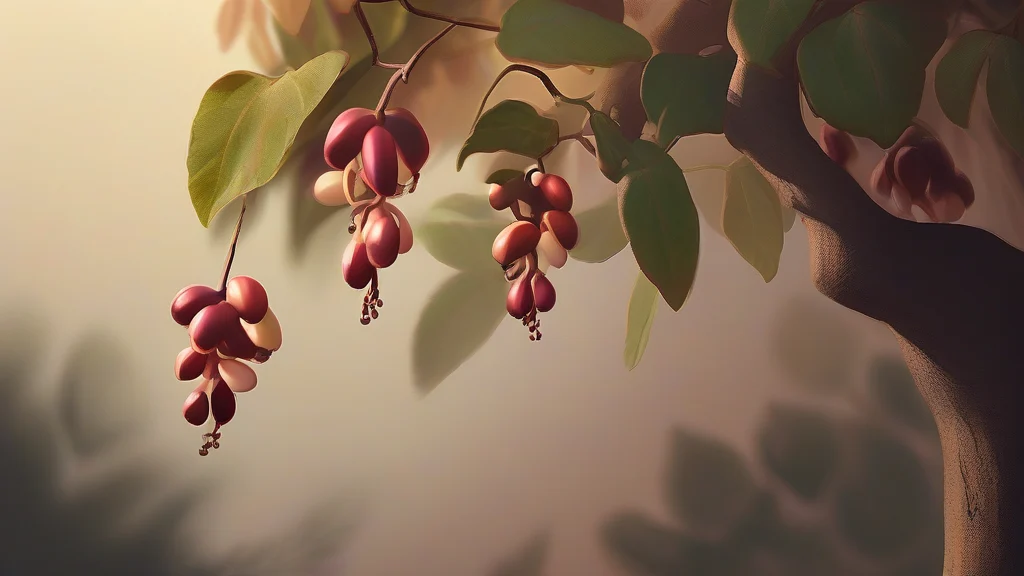
Akebia is a small genus of vigorous, twining climbing shrubs in the family Lardizabalaceae, native to eastern Asia, particularly Japan, China, and Korea. The best-known species, Akebia quinata, is widely grown in temperate gardens under the common name chocolate vine, prized for its elegant five-leaflet leaves and its unusual brownish-purple flowers that release a sweet, spicy fragrance reminiscent of vanilla and chocolate in mid-spring. The vines produce distinctive elongated purple pods whose soft, mildly sweet pulp is eaten in parts of Japan, where the plant is known as akebi and its shoots are also gathered as a spring vegetable. In English usage, akebia appears chiefly in horticultural contexts — planting guides, nursery catalogues, and botanical descriptions — rather than in everyday conversation. Gardeners value it as a fast-growing screen or groundcover, though in some regions it can spread aggressively enough to be considered invasive. The word thus carries connotations of exotic beauty, fragrance, and East Asian woodland gardens.
nounAkebia is a genus of twining, semi-evergreen climbing shrubs native to East Asia, especially valued in gardens for their fragrant flowers and distinctive compound leaves; the name also refers to the edible purple fruit of these vines.
- Any climbing shrub of the genus Akebia (Lardizabalaceae), notably Akebia quinata, grown ornamentally for its fragrant brownish-purple flowers and palmate five-leaflet leaves.
- The elongated, purplish edible fruit of an akebia vine, eaten fresh or used in Japanese regional cuisine.
"The chocolate vine scrambled over the pergola, its akebia blossoms filling the spring garden with a sweet vanilla scent."
"She trained the akebia along the south-facing wall, where its vanilla-scented blooms appeared each April."
"In mountain villages of northern Japan, akebia pods are gathered in autumn and stuffed with rice for a seasonal delicacy."
Botanical writing usually treats the genus name as singular ('Akebia quinata'); the informal plural 'akebias' is used when referring to multiple individual plants.
"Three akebias climbed the trellis along the terrace."
Akebia's flowers smell like chocolate and spice — which is why gardeners call it the 'chocolate vine' — yet its odd, jelly-filled purple pods are a prized wild food in Japan.
Reviewed by Deb Chak, Editor. AI-assisted content curated by RJS Tech Solutions LLP.
Etymology of akebia
The word akebia comes from the Japanese akebi (あけび), the native name of the plant, which was adopted into scientific Latin as the genus name Akebia when the species was formally described by Western botanists in the nineteenth century. It belongs to the family Lardizabalaceae, named after the Spanish naturalist Manuel Lardizábal. Because the name derives from Japanese rather than Latin or Greek, it has few English cognates, though related genera such as Holboellia share the same botanical family.
How akebia is actually used
Akebia is a specialist horticultural and botanical term, encountered mainly in gardening literature, nursery catalogues, and discussions of East Asian flora. In everyday speech it is almost always met through its common name, 'chocolate vine.' The plural is typically treated as the bare genus name in botanical writing, though akebias may be used informally when referring to several plants.
Easily confused with akebia
Acacia is a large genus of mostly Australian and African trees and shrubs with spines and ball-shaped flower clusters, whereas akebia is an East Asian climbing vine with five-parted leaves and sausage-shaped purple fruit.