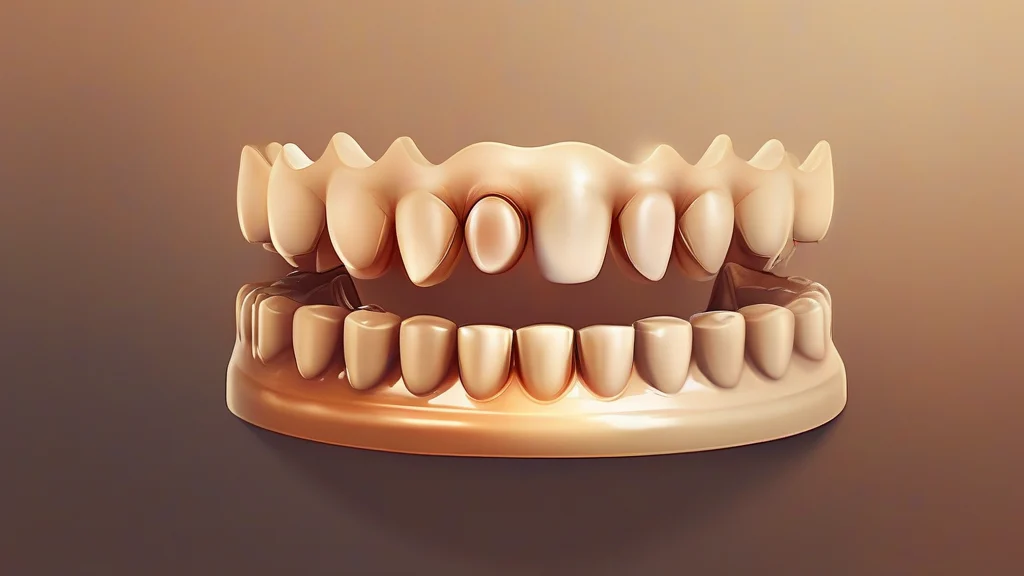
What does aligner mean?
An aligner is a device designed to bring something into correct or precise alignment. Today the word is most strongly associated with orthodontics, where an aligner is a transparent, removable plastic tray fitted snugly over the teeth to move them gradually into a straighter position; patients typically progress through a series of such trays, each worn for a week or two before advancing to the next. The term also survives in technical contexts, describing any tool or machine — such as a wheel aligner in a garage — used to adjust components into proper line or position. Formed from the verb 'align', which derives ultimately from French 'aligner' and the root word 'line', the noun simply names the agent of alignment itself. Because of its association with discreet tooth-straightening treatments, the word carries largely positive connotations of subtlety and self-improvement, and it appears frequently in advertising and everyday conversation about cosmetic dentistry.
nounA device or tool that brings things into correct or precise alignment; in dentistry, a clear removable mould worn over the teeth to straighten them gradually.
- An orthodontic appliance: a clear, removable plastic tray worn over the teeth to move them gradually into alignment.
- A general device or instrument used to bring components into proper alignment (e.g. a wheel aligner in automotive service).
"The orthodontist fitted her with a new aligner every two weeks as her teeth shifted into place."
"He wore each clear aligner for twenty-two hours a day, switching to the next set every fortnight."
"The mechanic ran the car through the computerised wheel aligner to correct the steering geometry."
Standard plural; commonly used when referring to a series of trays in orthodontic treatment.
"Patients receive a full set of aligners at the start of treatment."
The clear plastic aligner has quietly revolutionised orthodontics — millions of people now straighten their teeth without anyone noticing, one nearly invisible tray at a time.
Reviewed by Deb Chak, Editor. AI-assisted content curated by RJS Tech Solutions LLP.
Etymology of aligner
The noun 'aligner' is formed by adding the agentive suffix '-er' to the verb 'align'. That verb entered English from the French 'aligner' ('to place in a line'), which itself traces back through Old French 'a-' (from Latin 'ad') plus 'ligne' ('line'), from the Latin 'linea', meaning a string or line. As English speakers coined agent nouns ending in '-er' freely throughout the modern period, 'aligner' arose naturally to name whatever performs the act of aligning. Its closest relatives are therefore other words built on the Latin root 'linea', including 'line' and 'linear'.
How aligner is actually used
In everyday modern usage, 'aligner' overwhelmingly refers to the dental/orthodontic device (as in Invisalign-style treatment), and this sense now dominates over older industrial or technical uses of the word as a generic aligning device.
Easily confused with aligner
'Align' is the verb meaning to position things in a line, while 'aligner' is the noun naming the tool or device that performs that alignment.