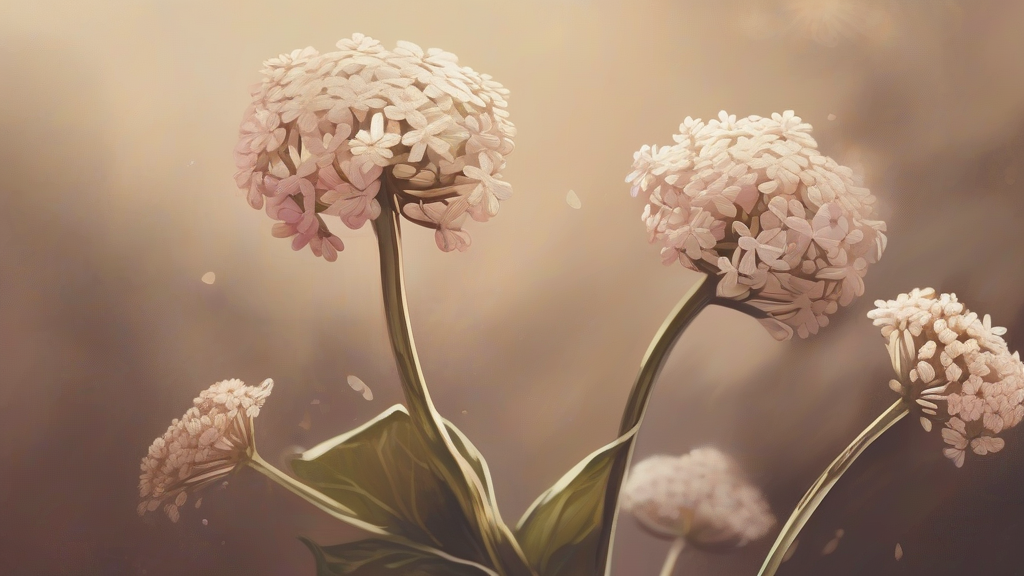
What does allheal mean?
Allheal is an old English noun denoting a plant believed capable of curing almost any illness or injury — a so-called universal remedy. The name was applied historically to several different herbs, most notably self-heal (Prunella vulgaris), a low-growing purple-flowered member of the mint family, and at times to valerian. Formed transparently from 'all' plus 'heal,' the word emerged in sixteenth-century English herbalism, when country practitioners relied on 'simples' — single-plant remedies — and bestowed grand reputations on versatile herbs. Allheal appears mainly in early modern herbals, gardening books, and literary references, including mentions by writers such as Shakespeare's contemporaries; today it survives mostly in historical, botanical, and herbalist contexts rather than everyday speech. Its enduring charm lies in the confidence of its name: a single word promising complete restoration, coined by an age that trusted the hedgerow as much as the physician.
nounA plant reputed to have healing properties for any ailment; specifically applied to certain herbs such as self-heal (Prunella vulgaris) and valerian that were traditionally regarded as universal remedies.
- Any of various herbs, especially self-heal (Prunella vulgaris) or valerian, traditionally credited with the power to cure a wide range of ailments.
- More broadly, a supposed universal remedy or cure-all.
"The herbalist gathered a bundle of allheal from the meadow to brew into a soothing salve."
"Country herbalists prized allheal above all their other simples, applying it to wounds, sores, and fevers alike."
"In Shakespeare's England, a sprig of allheal was thought to ward off more ailments than any medicine in the apothecary's shop."
Standard plural, used when referring to multiple plants or specimens of allheal.
"The garden contained three varieties of allheals, each praised by a different herbalist."
Early modern herbalists believed one humble meadow plant could mend virtually any wound — and they named it simply 'allheal.'
Reviewed by Deb Chak, Editor. AI-assisted content curated by RJS Tech Solutions LLP.
Etymology of allheal
Allheal is a compound of the native English words 'all' and 'heal,' formed within English during the sixteenth century as herbalists named plants reputed to cure every kind of complaint. It belongs to the same Germanic root family as 'heal,' 'whole,' 'hale,' and 'health,' all descending from Old English 'hāl' meaning sound or uninjured. The term was applied to multiple species — notably Prunella vulgaris and valerian — reflecting its function as a folk label for a universal remedy rather than a strict botanical classification.
How allheal is actually used
An archaic and largely historical term found chiefly in older herbal literature and botanical writing; it is rare in modern usage except among herbalists and in references to traditional medicine. The word is countable when referring to individual plants (plural 'allheals').
Easily confused with allheal
Heal-all is a closely related folk name often used interchangeably with allheal for the same plants, but the two are distinct traditional terms rather than variants of one word.