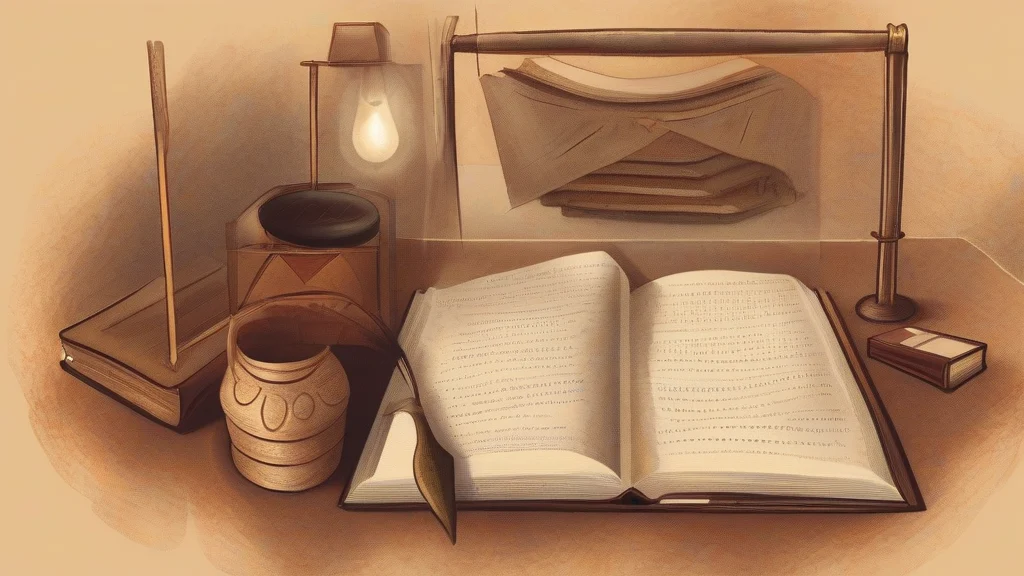
What does amanuenses mean?
Amanuenses is the plural of amanuensis, a formal term for someone employed to write down what another person dictates or to copy their manuscripts. The role dates back centuries, when literacy was far from universal and scholars, statesmen, and writers often depended on assistants to put their words onto paper. The word carries an air of formality and history; it appears most often in biographies and literary studies, particularly accounts of authors who worked through blindness or illness. Milton composed Paradise Lost by dictating to amanuenses, and Beethoven used them as his hearing failed. The singular is amanuensis; the stress falls on the third syllable of each form. Though rarely heard in everyday conversation, the word remains useful whenever precision about this distinctive occupation matters.
nounAmanuenses is the plural of amanuensis: literary assistants who take dictation or copy manuscripts for another person.
- Literary assistants who take dictation or copy out manuscripts on behalf of someone else.
"The aging novelist dictated her final chapters to two patient amanuenses."
"Milton, having lost his sight, relied entirely on his daughters and other amanuenses to record Paradise Lost."
"The professor's graduate students served as amanuenses, transcribing decades of his handwritten lecture notes."
Pronounced /əˌmænjuˈɛnsiːz/, following the Latin-style pluralization of nouns ending in -is; do not use 'amanuenisses'.
"The archive preserves letters written by several of Darwin's amanuenses."
An amanuensis was literally a Roman 'slave at hand' — and Beethoven, blind Milton, and paralyzed Dostoevsky all depended on theirs.
Reviewed by Deb Chak, Editor. AI-assisted content curated by RJS Tech Solutions LLP.
Etymology of amanuenses
Amanuenses derives from Latin amanuensis, short for servus a manu, meaning 'a slave at hand' — one whose duty was handwriting at his master's side. The root is Latin manus ('hand'), which also yields English words such as manual, manuscript, and manufacture. The term entered English in the early seventeenth century and has retained its association with dictation and transcription ever since.
How amanuenses is actually used
Formal and somewhat rare in modern usage; typically found in historical, biographical, or scholarly writing about figures who dictated work due to blindness or infirmity.
Easily confused with amanuenses
Ambiences are surrounding atmospheres or environments, whereas amanuenses are people employed to write down or copy another person's words.