
What does amaretto mean?
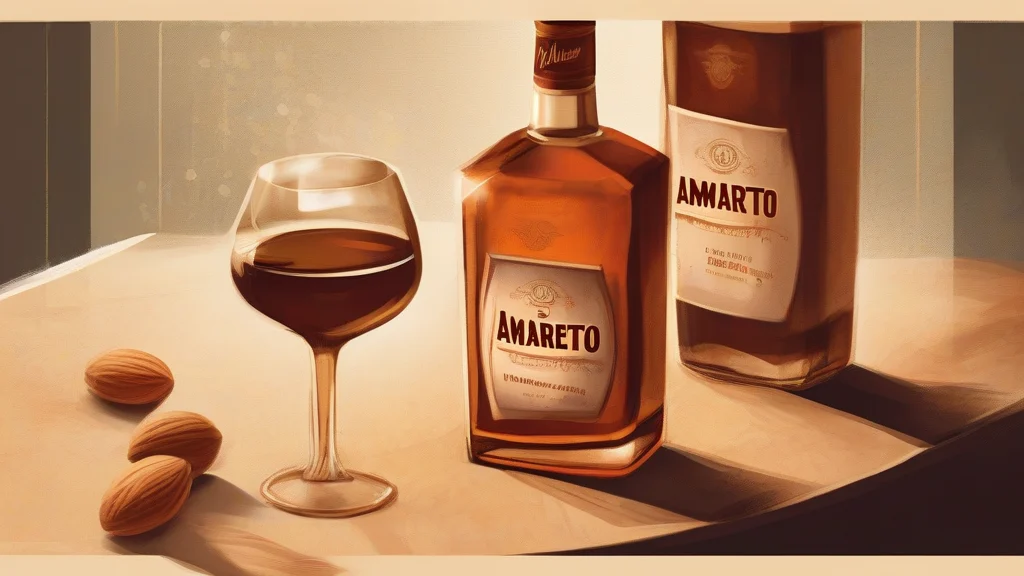
Amaretto is a sweet Italian liqueur prized for its rich, marzipan-like almond flavor, which traditionally derives not from almonds themselves but from apricot kernels or a blend of nuts and botanicals. Served neat, over ice, in coffee, or mixed into cocktails such as the amaretto sour, it occupies a warm, convivial place in drinking culture and doubles as a popular flavoring for desserts like tiramisu, biscotti, and cakes. The name comes from the Italian 'amaro', meaning bitter, with the suffix '-etto' suggesting something slightly bitter — a nod to the faint bitterness beneath its sweetness. Its most famous brand, Disaronno, traces its identity to Saronno in Lombardy, where legend links the liqueur to a romantic gift given during the painting of a Renaissance fresco. Whether sipped after dinner or folded into baked goods, amaretto evokes comfort, indulgence, and old-world charm.
nounA sweet Italian liqueur with a distinctive almond flavor, traditionally made from apricot kernels or almonds, often served neat, on the rocks, or in cocktails.
- The sweet Italian almond-flavored liqueur itself.
- The distinctive sweet almond flavor associated with the liqueur, used in desserts, coffee, and baking.
"She ordered an amaretto sour and stirred it slowly with the little paper straw."
"He finished the meal with a small glass of amaretto alongside his espresso."
"The baker added a teaspoon of amaretto to the tiramisu for a subtle almond note."
Rarely pluralized in practice; the plural appears mainly when referring to multiple bottles or varieties.
"The bar stocked three different amarettos behind the counter."
Legend says amaretto was born when a tavern keeper in Saronno, hired to model for Leonardo da Vinci's fresco of the Madonna, gave her artist a flask of this almond liqueur as a token of love.
Reviewed by Deb Chak, Editor. AI-assisted content curated by RJS Tech Solutions LLP.
Etymology of amaretto
Amaretto comes from the Italian word 'amaro', meaning bitter, combined with the diminutive suffix '-etto', so the name literally means 'a little bitter' — a reference to the slight bitterness that balances the liqueur's sweetness. The underlying root is the Latin 'amarus' (bitter), which also gives rise to cognates such as Spanish 'amargo' and French 'amer'. The liqueur developed in northern Italy, with Saronno in Lombardy traditionally credited as its home, and it spread internationally during the twentieth century as brands like Disaronno gained global distribution.
How amaretto is actually used
Amaretto is used both as a drink and as a flavoring ingredient in cooking and baking. It carries warm, convivial connotations and appears most often in casual and culinary contexts rather than formal ones. The best-known brand, Disaronno, comes from Saronno in Lombardy.
Easily confused with amaretto
Amaro is a broad category of bitter Italian herbal liqueurs, whereas amaretto is specifically a sweet almond-flavored liqueur.
Amaretti are crisp Italian almond macaroon cookies, not the liqueur, though both share the same bitter-almond flavor tradition.