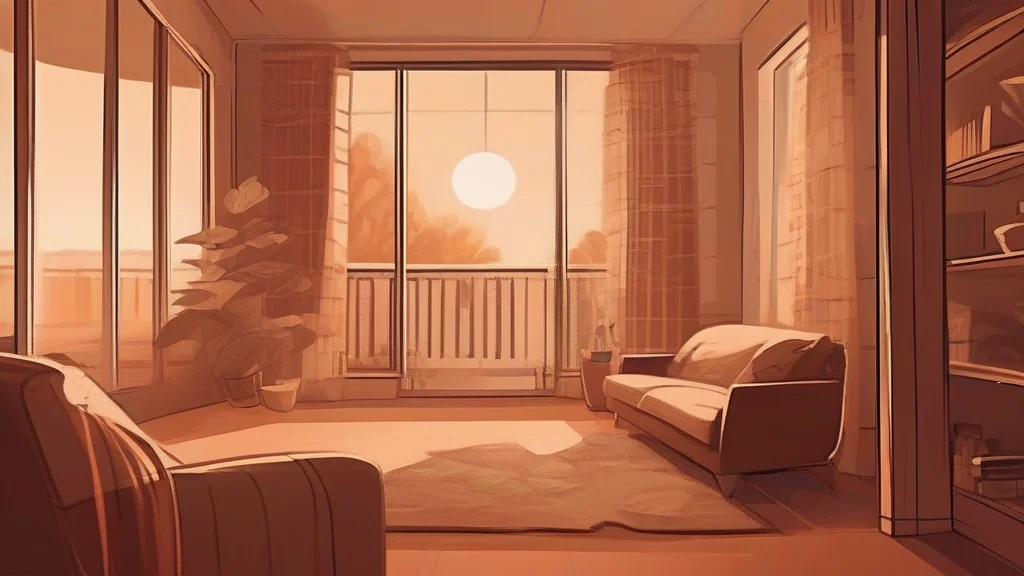
What does ambiance mean?
Ambiance refers to the atmosphere or mood of a place — the combined effect of its lighting, sounds, smells, decor, and general character on the people within it. A candlelit dining room, a bustling café, or a hushed cathedral each has a distinct ambiance that shapes how we experience the space. The word is uncountable and appears most often in contexts concerned with aesthetics and hospitality, such as restaurant reviews, travel writing, and interior design, where it typically carries a positive or at least evaluative tone: one speaks of a cozy, romantic, or elegant ambiance. English actually acquired the word twice — first as "ambience," borrowed directly from Latin roots via French, and later as "ambiance," a closer imitation of the modern French form. Today the two spellings are interchangeable, though American writers favor "ambiance" while British usage leans toward "ambience." Its enduring usefulness lies in naming something intangible yet instantly recognizable: the felt character of a place.
nounThe character and atmosphere of a place — the mood created by its lighting, decor, sound, and overall feeling.
- The distinctive atmosphere or mood of a place, created by elements such as lighting, decoration, sound, and general character.
"The restaurant's warm lighting and soft jazz created an intimate ambiance."
"Candles flickering on every table gave the bistro a cozy, romantic ambiance."
"Critics praised the film's haunting ambiance, built from fog, silence, and an unsettling score."
"Ambiance" is actually just a re-borrowing: English took it from French in the late 19th century after already borrowing the same word as "ambience" decades earlier.
Reviewed by Deb Chak, Editor. AI-assisted content curated by RJS Tech Solutions LLP.
Etymology of ambiance
Ambiance ultimately derives from the Latin verb ambire, meaning "to go around" or "to surround," whose present participle ambiens gives the word its sense of something surrounding or pervading a space. English first absorbed this idea as "ambience" in the early 17th century, then borrowed "ambiance" again in the late 19th century as a direct adoption of the modern French form. Cognates sharing the same Latin root include the adjective "ambient" and the noun "ambit."
How ambiance is actually used
Ambiance carries a somewhat elevated, aesthetic connotation and is especially frequent in writing about restaurants, hotels, interior design, and the arts. The variant spelling "ambience" predates it and remains standard in British English; both are pronounced identically. It is always used as an uncountable noun.
Easily confused with ambiance
Ambience is the original British spelling of the same word; ambiance is the French-influenced variant now more common in American English — they mean exactly the same thing.