
What does amebiasis mean?
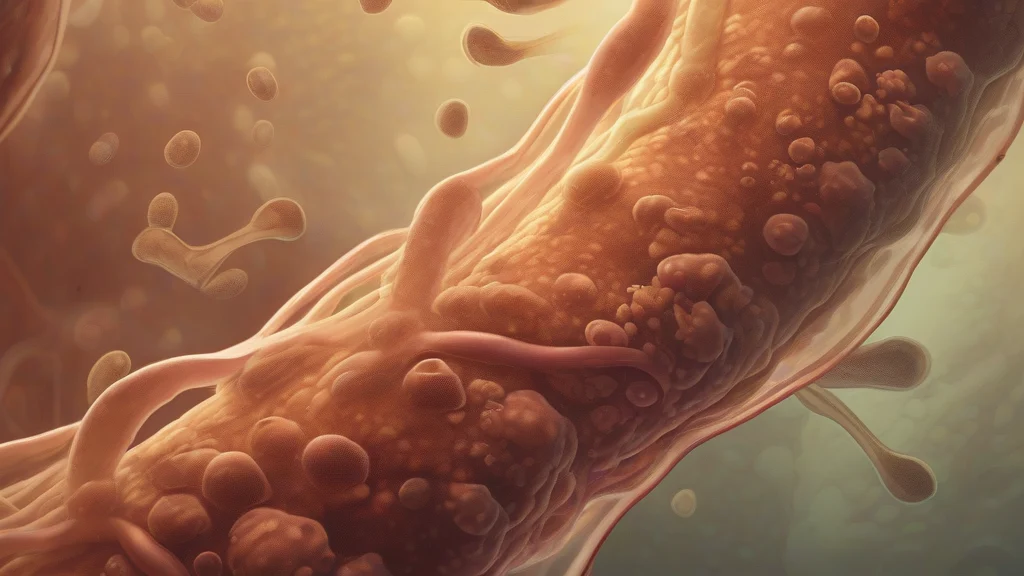
Amebiasis is the medical term for an infection caused by Entamoeba histolytica, a single-celled parasitic amoeba. It most often affects the large intestine, where it can cause diarrhea, abdominal pain, and dysentery, but the organism may also enter the bloodstream and form an abscess in the liver or, less commonly, affect the skin or other organs. Diagnosis generally involves examining stool or other clinical specimens, and appropriate antimicrobial treatment is required. In ordinary English, amebiasis is uncommon because it is primarily discussed in medical and public-health contexts, although travel, sanitation, and food safety can make it relevant. The word should not be used as a general label for every illness involving an amoeba: Entamoeba histolytica is the specific species responsible for the disease most commonly meant by this term.
nounAn infection caused by Entamoeba histolytica, usually involving the intestines and producing diarrhea, abdominal pain, and dysentery. The infection can also spread to other organs, especially the liver, where it may form an abscess.
- Infection or disease caused by Entamoeba histolytica, most commonly affecting the intestine but sometimes involving the liver, skin, or other organs.
"Laboratory testing confirmed amebiasis after the patient developed persistent diarrhea and abdominal pain."
"Health officials investigated a cluster of amebiasis cases linked to a contaminated food supply."
"The stool sample confirmed amebiasis, and the patient received the appropriate antimicrobial treatment."
The plural is grammatically correct but rarely needed, as amebiasis usually functions as the name of a disease or diagnosis rather than as a count noun.
"The outbreak report documented several amebiases among people who had consumed food from the same source."
A tiny one-celled parasite can travel from the gut to the liver, turning intestinal amebiasis into a potentially serious liver abscess.
Reviewed by Deb Chak, Editor. AI-assisted content curated by RJS Tech Solutions LLP.
Etymology of amebiasis
Amebiasis was formed in New Latin from amoeba and the suffix -iasis, a combining form used to name a condition or disease. Amoeba itself comes through Latin from Greek amoibos, meaning “changeable” or “alternating,” in reference to the organism’s constantly changing shape. The spelling amebiasis reflects the removal of the internal vowel from the base form, while amoebiasis preserves it.
Related word forms
How amebiasis is actually used
This is a formal medical term used in clinical and public-health contexts. Both amebiasis and amoebiasis occur in English, with amebiasis especially common in American medical usage; the term specifically denotes disease caused by Entamoeba histolytica rather than any illness involving an amoeba.