What does amusement mean?
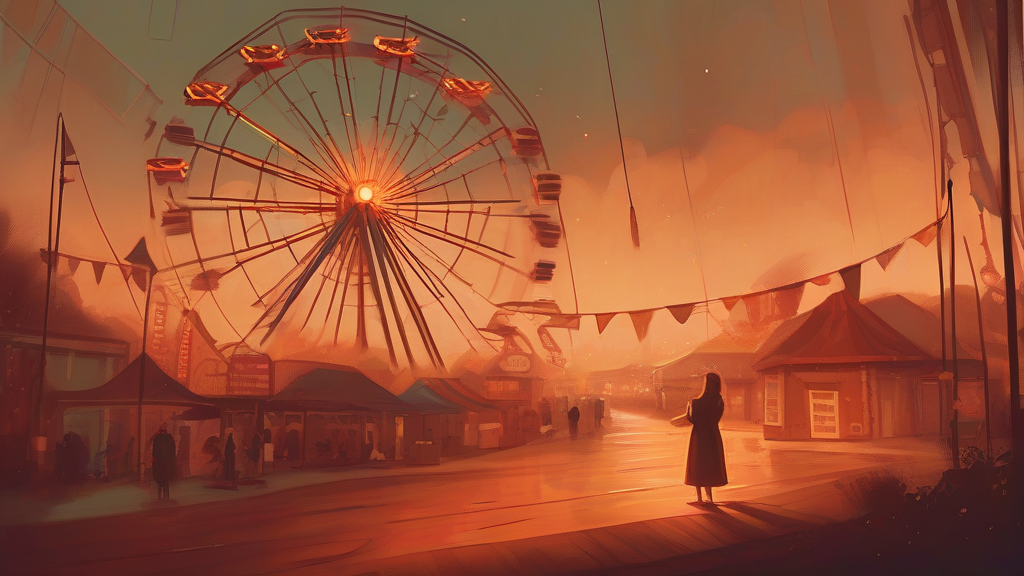
Amusement is the pleasant, often lightly humorous feeling of being entertained or diverted by something. It sits between fleeting fun and deep joy: a smile at a witty remark, an eyebrow raised at an absurd situation, a chuckle at a pet's antics. The word can also refer to the thing that provides that pleasure — an amusement park, arcade game, or fairground ride — particularly in British usage. Its connotations are generally warm but restrained; amusement suggests enjoyment with a touch of detachment, which is why phrases like "she watched with wry amusement" are so common. The term derives from the French s'amuser, ultimately tracing back through Latin to the Muses of classical mythology. As both a feeling and an industry — theme parks bear its name — amusement remains one of the most versatile words for describing how humans entertain themselves.
nounThe state or experience of finding something funny, entertaining, or diverting; also the entertainment itself.
- The feeling of mild pleasure or entertainment derived from something funny or interesting.
- An activity, attraction, or pastime that provides entertainment (e.g. an amusement park).
"She watched the puppies tumble over each other with quiet amusement."
"He raised an eyebrow in amusement at the child's earnest explanation."
"The seaside town thrived on its piers, arcades, and other amusements."
The plural most often refers to multiple forms of entertainment or attractions, such as fairground rides and games.
"The boardwalk was lined with cheap amusements and food stalls."
"Amusement" comes from the French à muse — "lost in thought" — so being amused was originally the opposite of daydreaming: your attention, delightfully hijacked.
Reviewed by Deb Chak, Editor. AI-assisted content curated by RJS Tech Solutions LLP.
Etymology of amusement
Amusement entered English in the late 15th to early 16th century from the French verb amuser, meaning to divert or occupy someone's thoughts. The French form traces to the phrase à muser — "at musing" — suggesting a person whose idle thoughts have been pleasantly interrupted. Its deeper root lies in the Latin musa, meaning Muse, the goddesses of inspiration in Greek and Roman mythology, making it a distant cousin of music, museum, and mosaic.
Related word forms
How amusement is actually used
Amusement typically implies light, gentle pleasure rather than intense joy; it often carries a faint tone of detached or ironic enjoyment, as when someone watches a situation with wry interest. The plural sense referring to parks and attractions is common in British English especially.
Easily confused with amusement
Entertainment refers to performances, shows, or activities designed to occupy an audience, while amusement is the feeling of enjoyment or diversion a person experiences — often lighter and more spontaneous.