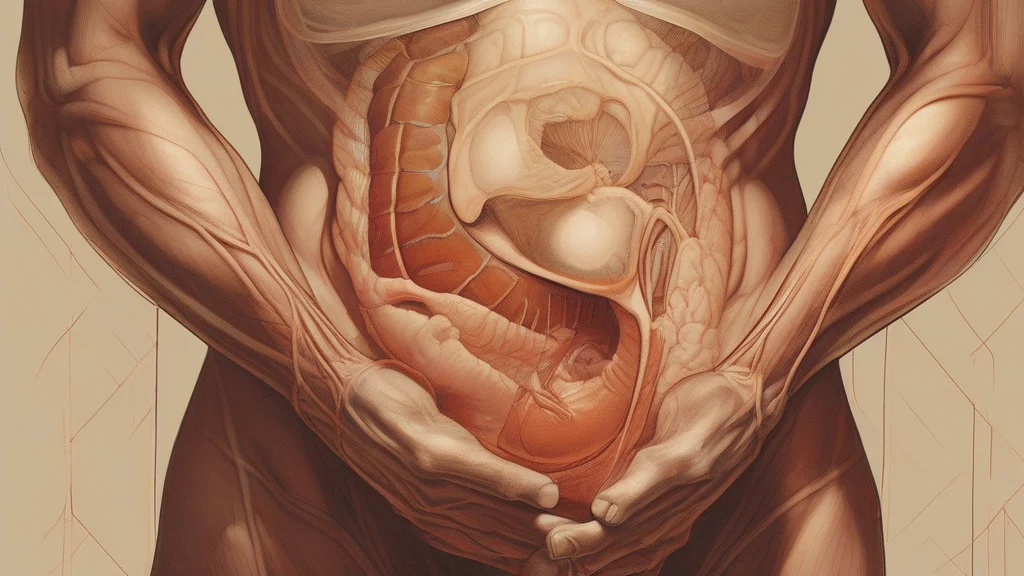
What does anatomizing mean?
Anatomizing is the present participle of the verb anatomize, meaning to examine something in exhaustive detail by breaking it down into its constituent parts. The word's origins are literal: it derives from anatomy, the science of bodily dissection, so to anatomize was originally to cut a body apart for study. Over time, however, its figurative use has come to dominate. Writers and critics now anatomize novels, arguments, political failures, and social institutions, subjecting them to a scrutiny so close and systematic that the metaphor of dissection still resonates. The word carries a formal, intellectual register and often implies rigor bordering on ruthlessness — a book review might anatomize an author's every stylistic tic, leaving nothing unexamined. It rewards readers who want a vivid alternative to plainer words like analyze or examine, lending a tone of precision and intensity. Its literal medical meaning persists chiefly in historical accounts of early anatomy.
verb (present participle and gerund of anatomize)The act of dissecting a body or, more commonly in modern usage, examining or analyzing something in minute detail, breaking it down into its constituent parts.
- To examine or analyze something in great detail, breaking it down into its component parts (figurative use; dominant today).
- To dissect a body or organism physically for scientific study (literal use).
"The critic spent pages anatomizing the novel's structure, laying bare every narrative choice."
"The essay anatomizes the political crisis with surgical precision."
"Early medical students were trained in anatomizing cadavers to learn human structure."
Long before it meant analyzing an argument, to anatomize literally meant to cut a body open — the word carries the scalpel's edge into every sentence it appears in.
Reviewed by Deb Chak, Editor. AI-assisted content curated by RJS Tech Solutions LLP.
Etymology of anatomizing
Anatomizing traces back through the verb anatomize, which English borrowed from Greek-derived Latin: the root is Greek anatomia (ana-, 'up,' plus temnein, 'to cut'), reflecting the practice of cutting bodies apart for study. The verb entered English in the late sixteenth or early seventeenth century, initially in its literal surgical sense before acquiring its figurative meaning of detailed analysis. Cognates include anatomy, anatomist, and anatomical, all sharing the same Greek cutting-root, which also underlies related terms such as epitome and atom via the idea of division.
Related word forms
How anatomizing is actually used
Formal to literary in register. Today used almost entirely in the figurative sense — of arguments, texts, institutions, or problems examined exhaustively — while the literal dissection sense survives mainly in historical or medical contexts. Often connotes a rigorous, sometimes relentless thoroughness that can feel clinical or unsparing.
Easily confused with anatomizing
Anatomy is the noun denoting the science or structure of bodily organisms, while anatomizing is the verbal action of analyzing or dissecting something part by part.