What does anoestrus mean?
Anoestrus refers to a period of sexual dormancy in certain mammals, such as bears and bats, during which the reproductive system is inactive. This state is characterized by a lack of reproductive activity, and is often associated with hibernation or periods of food scarcity. Anoestrus is typically used in scientific or technical contexts to describe the reproductive cycle of these animals. It is an important concept in the study of mammalian reproduction and behavior. The term is derived from the Greek words 'an-' (meaning 'absence' or 'negation') and 'oestrus' (meaning 'passion' or 'frenzy'), and is often used in conjunction with other terms such as 'estrus' and 'estrus cycle'. Overall, anoestrus is a useful term for understanding the complex reproductive cycles of certain mammals.
nounA period of sexual dormancy in certain mammals, such as bears and bats, during which the reproductive system is inactive.
- A period of sexual dormancy in certain mammals, such as bears and bats, during which the reproductive system is inactive.
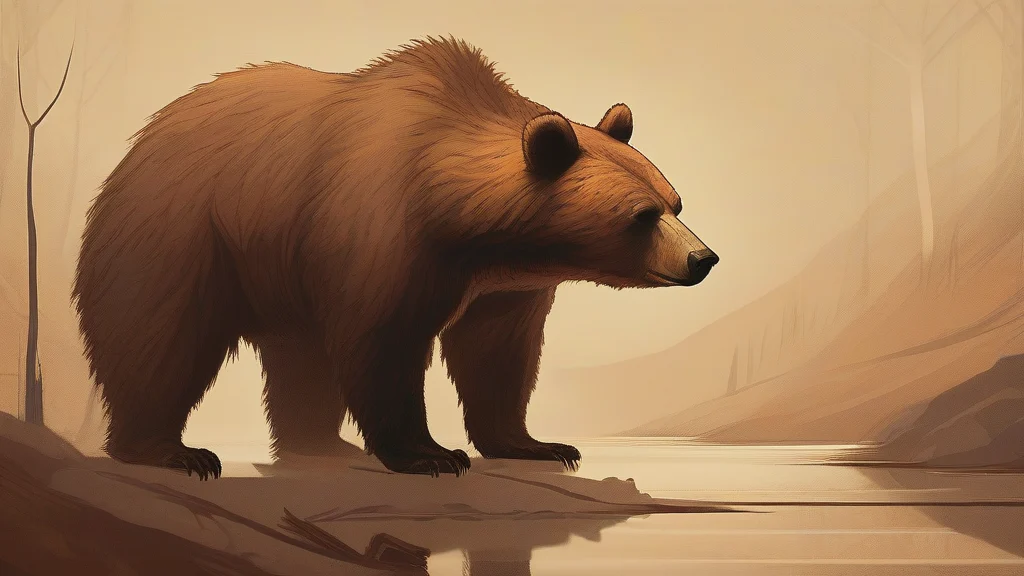
"The hibernating bear entered a state of anoestrus, conserving energy during the winter months."
"The hibernating bear entered a state of anoestrus, conserving energy during the winter months."
"Some species of bats also experience anoestrus during the winter months."
Reviewed by Deb Chak, Editor. AI-assisted content curated by RJS Tech Solutions LLP.
Etymology of anoestrus
The term 'anoestrus' is derived from the Greek words 'an-' (meaning 'absence' or 'negation') and 'oestrus' (meaning 'passion' or 'frenzy'). The prefix 'an-' is used to indicate the absence or negation of a particular quality or state, while 'oestrus' refers to the intense passion or frenzy associated with the reproductive cycle. The term 'strus' (from Greek στρος, meaning 'strife' or 'conflict') is also related to the concept of anoestrus, as it refers to the conflict or strife associated with the reproductive cycle.
How anoestrus is actually used
Anoestrus is typically used in scientific or technical contexts to describe the reproductive cycle of certain mammals.