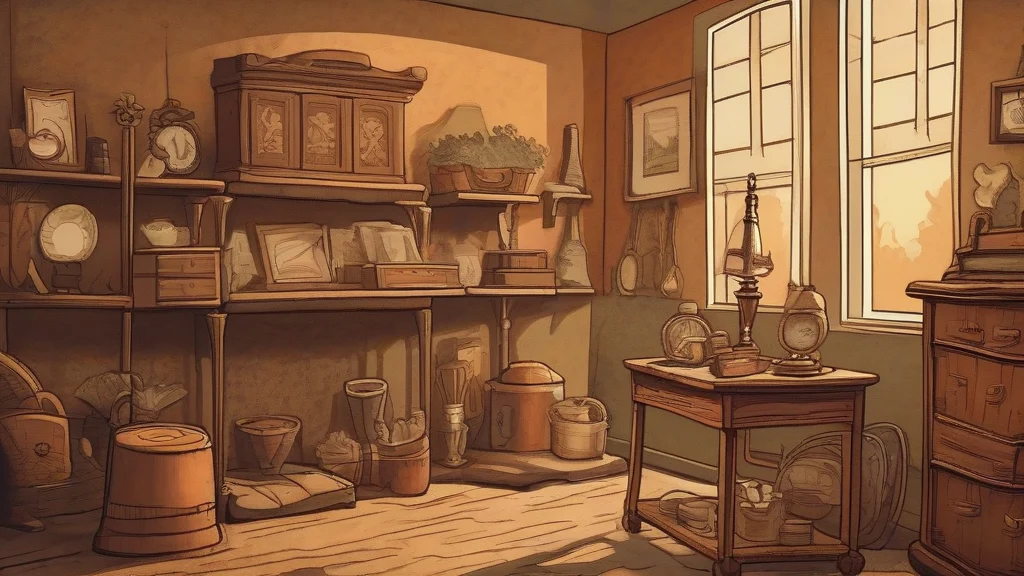
What does antiquing mean?
Antiquing is the pastime of searching for, browsing, and buying antiques — old and collectible items such as furniture, artwork, ceramics, and decorative objects valued for their age, craftsmanship, or history. Popular as a leisure activity, it often involves visiting antique shops, flea markets, estate sales, and fairs, frequently in scenic rural regions where clusters of dealers attract weekend visitors. A secondary sense of the word describes the decorative technique of deliberately treating new objects — painting, glazing, or distressing them — so they appear attractively aged. The word derives from 'antique', ultimately from Latin 'antiquus' meaning 'old' or 'ancient'. Antiquing carries warm, leisurely connotations: it suggests patience, an eye for quality, and the pleasure of uncovering history in everyday objects. Whether pursued seriously by collectors or casually by travelers, it remains one of the most accessible ways to engage with the material past.
nounThe activity or hobby of shopping for, collecting, or browsing antique items such as furniture, art, and collectibles. It can also refer to the craft of treating new objects to make them look aged or distressed.
- The hobby or activity of shopping for and collecting antiques.
- The practice of artificially aging or distressing new objects to give them an antique appearance.
"They spent a leisurely Saturday antiquing through the small towns of New England."
"Every autumn, tourists flock to the Hudson Valley to go antiquing among its many shops."
"She spent the afternoon antiquing the kitchen cabinets with a crackle glaze to give them an aged look."
In America's antique heartland, entire weekend economies run on 'antiquing' — a word that turns treasure hunting into a pastime.
Reviewed by Deb Chak, Editor. AI-assisted content curated by RJS Tech Solutions LLP.
Etymology of antiquing
Antiquing derives from 'antique', which entered English from French in the early modern period and traces back to Latin 'antiquus', meaning 'old' or 'ancient', from 'ante' ('before'). The noun 'antiquing' arose as a gerund describing the activity of dealing in or seeking out antiques, becoming widespread in American English during the twentieth century as antique collecting grew into a popular middle-class pastime. It shares its root with related words such as 'antiquity', 'antiquarian', and 'antiquate'.
How antiquing is actually used
The term is informal to neutral in register and is especially common in American English, where 'going antiquing' is a well-established leisure activity. The second sense — artificially aging new objects — is more common in interior design and crafts contexts.
Easily confused with antiquing
Antics refers to playful, silly, or outrageous behavior, while antiquing refers to shopping for or collecting antique items.