What does argol mean?
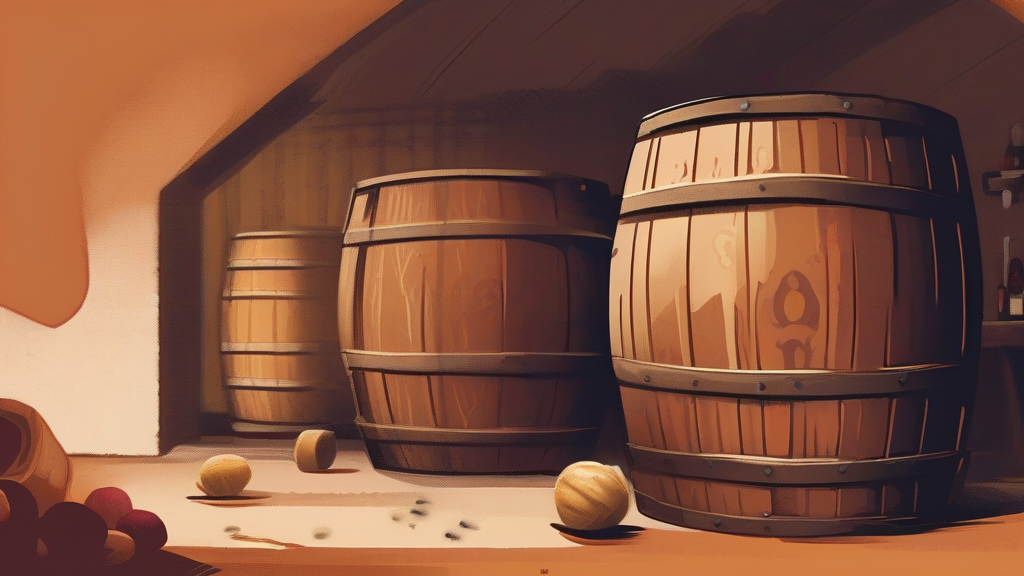
Argol is the name given to crude tartar — the hard, often reddish or purplish crust of impure potassium bitartrate that accumulates on the inner walls of wine casks and fermentation vats. As wine ferments, tartaric acid combines with potassium in the grape juice and precipitates out, coating the vessel in this stony deposit. Winemakers would periodically scrape the argol away, and because it was rich in tartaric acid, it was sold to apothecaries and manufacturers who refined it into cream of tartar and other useful compounds. The word belongs chiefly to the vocabulary of traditional winemaking and historical chemistry, so modern readers are most likely to meet it in older trade manuals, encyclopedias, or dictionaries rather than in conversation. Though obscure today, argol offers a neat glimpse into pre-industrial industry: a byproduct scraped from a barrel wall became a staple of baking and medicine.
nounCrude tartar; the hard, reddish deposit of potassium bitartrate and other impurities that forms on the sides of wine casks during fermentation.
- The crude tartar (impure potassium bitartrate) deposited on the walls of wine fermentation vessels, used as a source of tartaric acid and cream of tartar.
"The cooper scraped a crust of argol from the inside of the aging vat before refilling it with the new vintage."
"Vintners once sold the argol scraped from their casks to chemists, who purified it into cream of tartar."
"A thick layer of argol had crusted along the seams of the old fermenting vat."
Rarely pluralized in practice; the uncountable form is standard since argol describes a substance or deposit.
"Samples of argol from different vineyards varied widely in purity."
That gritty purple crust lining old wine barrels has its own name — argol — and it was once refined into the cream of tartar sitting in your kitchen cupboard.
Reviewed by Deb Chak, Editor. AI-assisted content curated by RJS Tech Solutions LLP.
Etymology of argol
Argol was borrowed into English from French, where argol likewise denoted the crude tartar of winemaking. The ultimate origin of the French word is uncertain, so any deeper ancestry should be treated with caution. It is sometimes linked to argil (potter's clay), but the connection is not firmly established.
How argol is actually used
Argol is a technical term of winemaking and historical chemistry, now largely encountered in older texts, trade literature, and dictionaries rather than everyday speech. It carries no emotional connotation; it is simply a trade and scientific designation.
Easily confused with argol
Argil is potter's clay, whereas argol is the tartar crust deposited in wine casks.
Argal is either a variant spelling of argol (the wine-cask tartar) or an archaic word for 'therefore', while argol refers specifically to crude tartar.