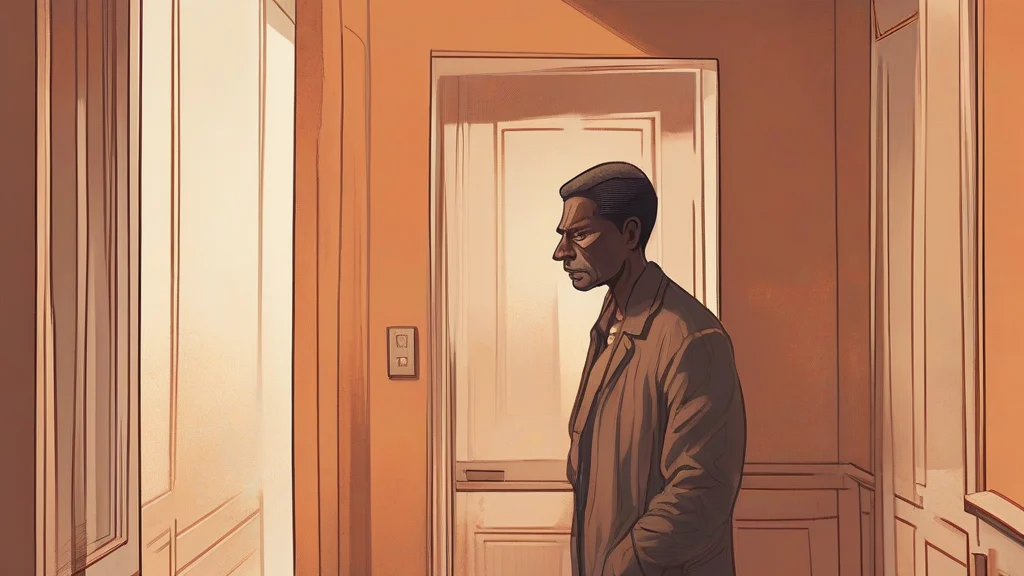
What does askance mean?
"Askance" is a formal adverb describing two closely related ways of regarding something: literally, with a sideways or oblique glance, and figuratively, with suspicion, doubt, or disapproval. In modern English it appears overwhelmingly in set expressions such as "look askance at" or "view askance," where the figurative sense predominates — to regard someone's motives askance is to view them warily or skeptically rather than merely to turn one's eyes sideways. The word lends writing a slightly literary, elevated tone, and it typically implies judgment withheld rather than openly expressed: one looks askance quietly, without direct confrontation. First recorded in English in the sixteenth century, its precise origin remains debated, though it may derive from an old expression meaning "as if," suggesting a look that simulates approval while signaling distrust.
adverbWith a sideways glance or an oblique look; also, with suspicion, distrust, or disapproval.
- With a side-glancing or oblique look or direction.
- With suspicion, doubt, or disapproval.
"The villagers looked askance at the newcomer's lavish spending."
"She glanced askance at the torn wrapping paper by the door."
"Regulators have long viewed the company's accounting practices askance."
"Askance" likely comes from an old phrase meaning "as if" — so when you look askance, you're literally looking as if you disapprove.
Reviewed by Deb Chak, Editor. AI-assisted content curated by RJS Tech Solutions LLP.
Etymology of askance
"Askance" entered English in the mid-sixteenth century, first appearing in the writings of the period's poets and dramatists. Its ultimate origin is disputed: the most widely cited theory derives it from an older phrase such as "as kans" or "a ken," essentially meaning "as if" or "in such a way that," which would make its history one of gradual phonetic erosion from a prepositional phrase into a single adverb. Because of this uncertain lineage, it has no secure cognates in other languages, though its form was influenced in spelling by words ending in "-ance."
How askance is actually used
"Askance" functions almost exclusively in the phrase "look/view/regard askance at" and carries a formal, literary register. Its connotation of suspicion or disapproval is now dominant over the literal sense of a sideways glance.
Easily confused with askance
"Askance" describes a sideways or distrustful manner of looking, while "askew" means crooked or not in a straight position.