What does bagger mean?
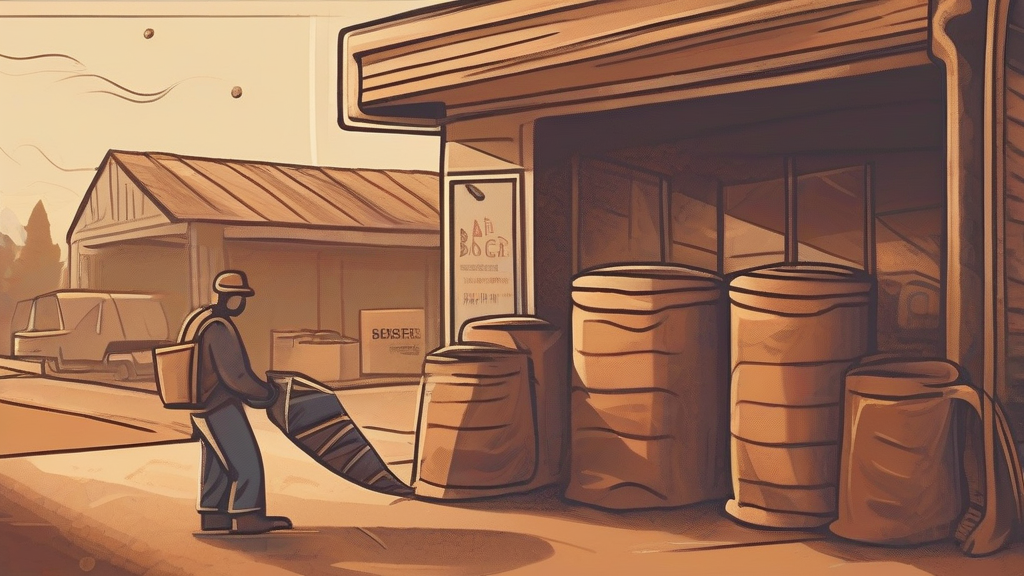
A bagger is a person whose job is to place items into bags — most familiarly, the supermarket employee who packs a customer's groceries at the checkout, arranging them so that heavy or fragile goods are handled sensibly. The word is a straightforward agent noun, formed from 'bag' plus '-er', and it extends beyond retail to industrial settings where workers or machines fill bags with products such as grain, cement, or coffee. Culturally, the grocery bagger is a distinctly North American figure: in many other countries shoppers pack their own bags, making the role a small but telling marker of regional retail practice. The job has long been a classic entry-level position for young workers, giving the word connotations of humble, unglamorous but honest labor. Informally, the term can describe anyone who bags anything, from leaves to donations.
A person who packs items into bags, especially a supermarket employee who bags customers' groceries.
"The bagger asked whether we preferred paper or plastic."
Primarily North American usage; the role is less common in countries where customers bag their own purchases.
A person or machine that fills bags with a commodity in industrial packaging.
"Each bagger on the line filled forty sacks of flour per hour."
Regular plural; used when referring to multiple people in the bagging role or multiple bagging machines.
"The supermarket was short-staffed, so only two baggers were on duty."
In much of the world, the grocery-store bagger simply doesn't exist — this familiar American job is largely an export of U.S. supermarket culture.
Reviewed by Deb Chak, Editor. AI-assisted content curated by RJS Tech Solutions LLP.
Etymology of bagger
Bagger is formed transparently from the noun 'bag', which entered Middle English from Old Norse 'baggi' meaning a pack or bundle, combined with the agent suffix '-er'. As a result, its closest relatives are not distant cognates but other English derivatives of 'bag' itself, such as 'baggage' (which passed through French) and 'baggy'. The occupation sense arose naturally once self-service supermarkets made bagging purchases a distinct task, becoming common in twentieth-century American English.
Related word forms
How bagger is actually used
The word is everyday and informal in tone. The supermarket sense is strongly associated with American and Canadian retail culture, where bagging is a distinct staffed role; in Britain and elsewhere, customers typically pack their own bags. As with many agent nouns ending in -er, it can also describe anyone who performs the action of bagging in any context.
Easily confused with bagger
A badger is a burrowing mammal, while a bagger is a person who packs items into bags — the words differ by a single letter but share no meaning.
A bragger boasts about themselves, whereas a bagger packs goods into bags; they rhyme but mean entirely different things.