What does balky mean?
Balky is an adjective describing something or someone that stubbornly refuses to act, proceed, or cooperate. The word is most classically applied to animals — horses, mules, and oxen that plant their feet and will not be urged forward — but it extends naturally to temperamental machinery, such as a balky engine that sputters and fails to start, and to people who resist instructions or requests without clear reason. Its tone is generally informal and slightly wry; calling a colleague balky suggests exasperation laced with amusement rather than serious criticism. The word derives from "balk," meaning to stop short or refuse to proceed. Because it captures a familiar everyday frustration with vivid economy, balky remains a useful and evocative term for describing anything — animate or not — that simply will not do what it is told.
adjectiveReluctant to proceed or cooperate; stubbornly refusing to act as expected, especially said of animals, machinery, or people.
- (Of an animal, especially a horse or mule) refusing to go forward or obey; stubbornly unmanageable.
- (Of a machine or engine) failing to start or run properly; unreliable in operation.
- (Of a person) unreasonably uncooperative or resistant to direction.
"The old tractor went balky again halfway up the hill, forcing the farmer to walk the rest of the way."
"The mule turned balky at the stream's edge and would not budge no matter how the driver coaxed it."
"My laptop has been balky all week — it freezes whenever I try to open more than two programs."
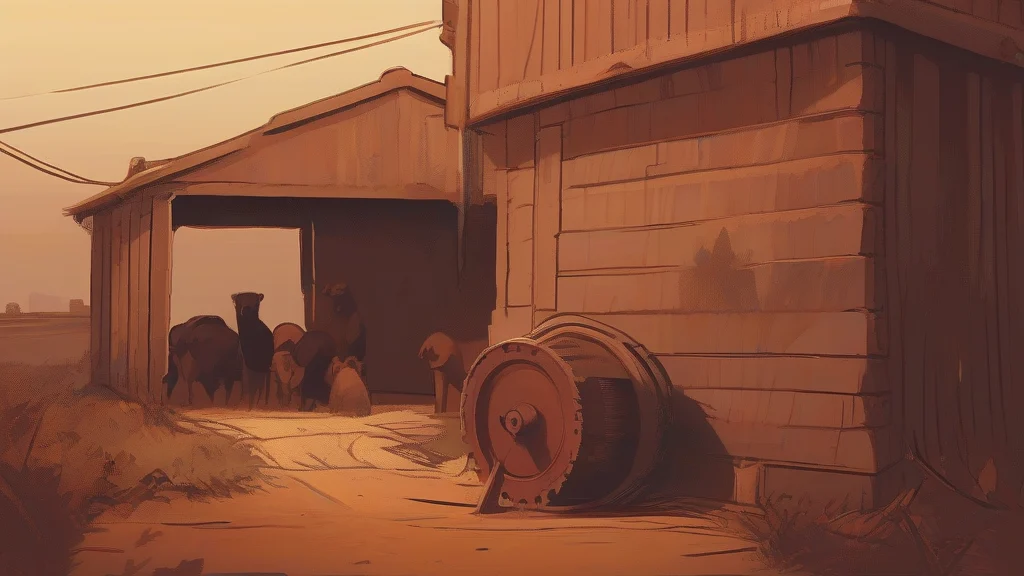
The phrase "balky" originally described horses and mules that flatly refused to move — and it still carries that image of planted feet today.
Reviewed by Deb Chak, Editor. AI-assisted content curated by RJS Tech Solutions LLP.
Etymology of balky
Balky derives from the verb "balk," which came into English from Old Norse "bálkr" (meaning a ridge or partition) via Scandinavian influence in northern England during the Middle Ages. The verb sense of "to balk" — to stop short, refuse, or thwart — developed from the literal notion of encountering a ridge or barrier that blocked one's path. By the 19th century, the adjective form "balky" emerged, especially in American English, to describe animals and machines that habitually stopped short or refused to function.
How balky is actually used
Most often applied informally to animals and machinery; when used of people it carries a mildly humorous or exasperated tone. Common in American English, particularly in rural and mechanical contexts.
Easily confused with balky
"Balk" is a verb or noun meaning to hesitate or refuse outright (or a ridge of earth), while "balky" is an adjective describing something habitually stubborn or uncooperative.