What does barrique mean?
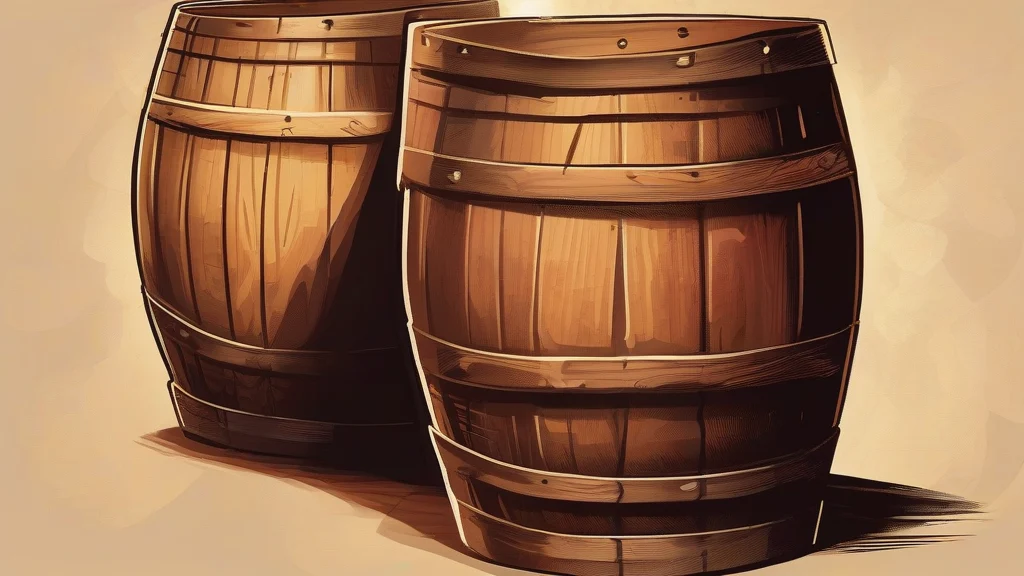
A barrique is a wooden cask, almost always made of oak and holding approximately 225 litres, that serves as the standard vessel for fermenting and ageing wine in Bordeaux and much of the wine world. Smaller than many traditional barrels, the barrique offers a favourable ratio of wood surface to wine, allowing gentle oxygen exchange through the staves while imparting flavours and aromas from the oak itself — vanilla, spice, toast, and smoke, depending on how heavily the barrel was toasted. Winemakers distinguish between new barriques, which give pronounced oak character, and older ones, which contribute subtler effects, and barrels are typically retired after a few vintages. Because the word comes from French, it retains an air of specialist authority and appears chiefly in tasting notes, trade literature, and discussions of fine wine, where 'barrique-aged' signals a deliberate, quality-driven approach to maturation.
nounA wooden cask, typically of oak and holding about 225 litres, used especially in Bordeaux for fermenting, maturing, and ageing wine.
- A wooden cask of about 225 litres, usually oak, used in Bordeaux and elsewhere for fermenting and ageing wine; by extension, the style of oak-influenced character such casks impart.
"The château ages its grand vin for eighteen months in new French barriques before blending."
"The winemaker replaced a third of his barriques each year so the wine would pick up fresh oak without becoming overpowered by it."
"Critics praised the Chardonnay's balance of fruit and the subtle toast it gained from time in barrique."
The regular plural 'barriques' is standard in English; because the word ends in a vowel sound, some writers leave it unchanged, mirroring French usage.
"The cellar holds four hundred barriques, a third of them renewed each year."
That unmistakable vanilla note in fine red wine? Thank the barrique — the 225-litre Bordeaux cask whose toasted oak staves lend flavour no steel tank ever could.
Reviewed by Deb Chak, Editor. AI-assisted content curated by RJS Tech Solutions LLP.
Etymology of barrique
The word barrique entered English from French, where it denotes a wine cask. The French term itself descends from Spanish barrica, which in turn traces back through Vulgar Latin *barrica, a diminutive-like form associated with containers for liquids. It is thus a close relative of the ordinary English word barrel, which arrived via Old French baril, and both words belong to the Romance family of terms for wooden storage vessels. English adopted barrique relatively recently, largely through the vocabulary of wine trade and criticism.
How barrique is actually used
Barrique is a specialist term drawn from French wine vocabulary, used mainly by winemakers, merchants, critics, and serious enthusiasts rather than in everyday speech. It carries connotations of quality and traditional craft, since barrique ageing implies investment in expensive oak barrels. In English texts it often appears italicised as a foreign borrowing, and phrases like 'new barrique' or 'barrique-aged' are common in tasting notes.
Easily confused with barrique
A barrel is the general term for a wooden cask of any size or origin, while a barrique specifically denotes the roughly 225-litre Bordeaux-style wine cask.