
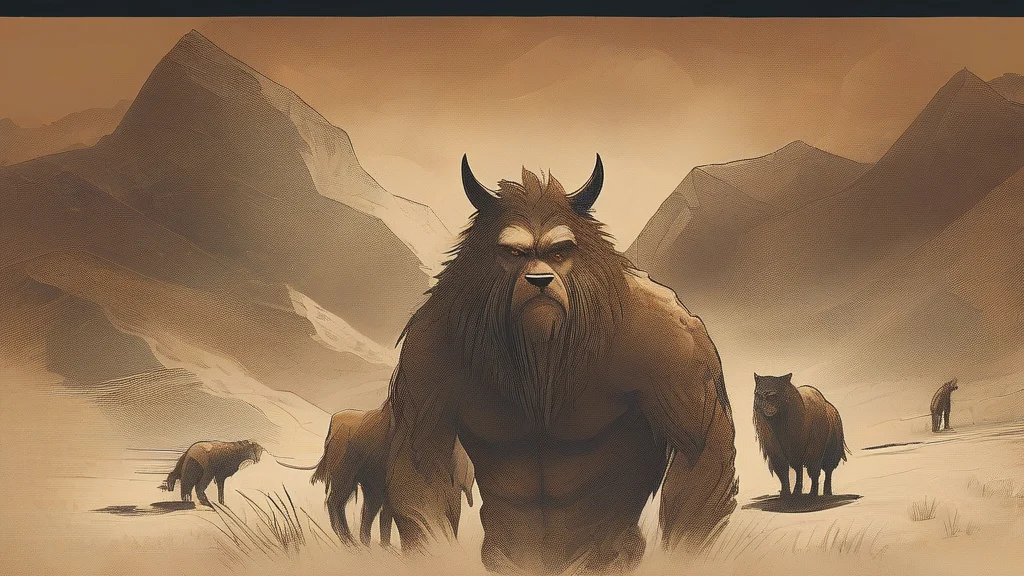
What does beastlier mean?
"Beastlier" is the comparative form of the adjective "beastly." In its dominant modern sense, it describes something more unpleasant, disagreeable, or disgusting than something else — the sort of word a speaker might reach for when complaining that one day's weather is even worse than the last. In an older, more literal sense, it can mean more like a beast: more brutish, savage, or lacking in human refinement. The word descends from "beast," a borrowing into Middle English from Old French, ultimately tracing back to the Latin "bestia." Today it retains a mildly informal register and is heard most often in British English, where "beastly" serves as a versatile term of complaint. Writers may choose "beastlier" for its punchy, slightly old-fashioned character, though "more beastly" is equally acceptable. Whether applied to foul weather, foul tempers, or foul smells, it conveys vivid, colloquial distaste rather than formal judgment.
adjective (comparative form)Comparative form of the adjective "beastly": more beastly — either more unpleasant, disgusting, or disagreeable, or (in older or literary use) more like a beast in nature or behavior.
- More unpleasant, disgusting, or disagreeable (the common modern sense, especially in British usage).
- More like a beast in nature, appearance, or conduct; more brutal or bestial (an older or literary sense).
"The weather turned beastlier as the week wore on, with sleet and howling winds."
"Conditions at the camp grew beastlier by the day as the rain refused to stop."
"In the novel, the villain's beastlier impulses eventually overwhelm whatever decency he had left."
"Beastly" once meant literally "like a beast" — so calling the weather beastlier was originally an accusation that it behaved like an angry animal.
Reviewed by Deb Chak, Editor. AI-assisted content curated by RJS Tech Solutions LLP.
Etymology of beastlier
The word derives from "beastly," formed on "beast," which entered Middle English from Old French "beste" and ultimately from Latin "bestia," meaning a wild animal. Originally, "beastly" carried the literal sense of resembling a brute animal — hence words like "bestial" and "beastliness" share the same root. Over time, especially in British English, the adjective shifted toward the generalized meaning of "very unpleasant," and "beastlier" emerged as its standard comparative alongside the analytic alternative "more beastly." Its superlative counterpart is "beastliest."
Related word forms
How beastlier is actually used
Comparative forms like "beastlier" are less common than "more beastly," though they are fully standard. The word carries a mildly informal, often British flavor, and its tone can range from comic grumbling about weather to genuine disgust or, in literary contexts, moral condemnation of brutish behavior.
Easily confused with beastlier
"Bestial" means savagely animal-like or cruel, while "beastlier" is simply the comparative of "beastly," which more commonly means unpleasant or nasty.